Your Clock Is Ticking: Understanding New York’s 24-Hour Bite Reporting Rule
Yes, you must report any animal bite within 24 hours of the event in New York City—this is not optional, it’s the law under Section 11.03 of NYC Health Code. Whether you’re the victim of a dog attack or a pet owner whose normally gentle companion unexpectedly bit someone, failing to report within this tight deadline can lead to serious legal consequences and potentially compromise your health or legal rights. The stress of a dog bite incident often leaves people confused about their obligations, but understanding this critical requirement could mean the difference between proper medical treatment, legal protection, and costly penalties.
💡 Pro Tip: Set a phone reminder immediately after any bite incident—the 24-hour window starts ticking from the moment of the bite, not when you seek medical care or realize the severity.
Don’t wait until the clock runs out—secure your rights after a dog bite incident by reaching out to Pianko Law. Whether you have questions about reporting or need assistance with legal claims, our team is ready to guide you through the process. Contact us today at (646) 801-9675 or contact us to learn more.
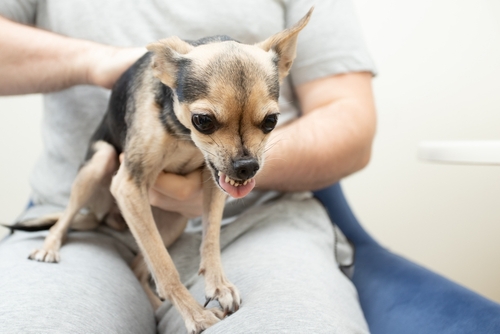
What a Dog Bite Lawyer in New York Wants You to Know About Reporting Requirements
New York law takes animal bites seriously, and the 24-hour reporting requirement serves multiple critical purposes beyond simple record-keeping. When you report to the Animal Bite Unit at 646-364-1799, you’re not just fulfilling a legal obligation—you’re creating an official record that helps determine if the biting dog is healthy ten days after the bite to avoid unnecessary rabies shots. A dog bite lawyer in New York will tell you that this report becomes crucial evidence if you later need to pursue compensation for medical bills, lost wages, or pain and suffering. The law protects your privacy too: all personal information included in animal bite reports is kept confidential by NYC authorities, so you shouldn’t fear retaliation or public exposure when fulfilling this requirement.
💡 Pro Tip: Take photos of your injuries immediately and at regular intervals—visual documentation strengthens both your health department report and any potential legal claim.
The Critical First 24 Hours: Your Step-by-Step Reporting Timeline
Time moves fast after a dog bite, and knowing exactly what to do helps ensure you meet all legal requirements while protecting your health and rights. Every person with knowledge of an animal exhibiting clinical signs suggestive of rabies must report immediately to the local health authority, making swift action even more critical if the attacking dog showed any unusual behavior.
- Hour 1-2: Seek immediate medical attention and inform healthcare providers about the bite—they have their own 24-hour reporting obligations
- Hour 2-6: Gather information about the dog and owner, including contact details, vaccination records, and any witness information
- Hour 6-12: Complete the online reporting form through NYC Department of Health or call 311 to file your report
- Hour 12-18: Document your injuries with photos and begin keeping records of all medical treatment and expenses
- Hour 18-24: Follow up to ensure your report was received and contact the Animal Bite Unit at 646-364-1799 if you have questions
- Day 2-10: Monitor for rabies symptoms and ensure the biting dog undergoes the mandatory 10-day confinement period
💡 Pro Tip: Save your report confirmation number and screenshot the submission page—technical glitches happen, and proof of timely filing protects you from penalties.
Navigating the Aftermath: How Pianko Law Helps Dog Bite Victims
After meeting the 24-hour reporting deadline, many bite victims discover they need legal guidance to navigate the complex intersection of health regulations, insurance claims, and potential lawsuits. Under New York law, owners of dangerous dogs are strictly liable for medical costs resulting from injury caused by such dog to a person, companion animal, farm animal or domestic animal—but securing this compensation requires understanding both the reporting requirements and how to build a strong case. Pianko Law assists clients throughout New York in documenting their compliance with reporting rules while pursuing full compensation for their injuries. A dog bite lawyer in New York from our firm can help you understand whether the attacking dog meets the legal definition of "dangerous"—any dog that without justification attacks and causes physical injury or death, or behaves in a manner a reasonable person would believe poses serious threat.
💡 Pro Tip: Keep all bite-related paperwork together in one file, including your 24-hour report confirmation, medical records, and any communication with the dog owner or their insurance company.
Understanding "Dangerous Dog" Classifications and Your Rights
Not every dog bite automatically classifies a dog as "dangerous" under New York law, but understanding this designation matters for your case and future safety. A dangerous dog is legally defined as any dog that without justification attacks a person, companion animal, farm animal or domestic animal and causes physical injury or death, or behaves in a manner that a reasonable person would believe poses a serious and unjustified imminent threat. When working with a dog bite lawyer in New York, this classification becomes crucial because it triggers specific owner responsibilities and potentially higher compensation for victims. Any person who witnesses an attack or threatened attack may make a complaint to initiate dangerous dog proceedings, meaning even bystanders can help protect the community from future attacks.
Civil Penalties and Criminal Consequences
The law sets clear financial penalties for dangerous dog incidents: if the dog bites a person, service dog, guide dog or hearing dog, the owner’s civil penalty cannot exceed $400, but if the dog bites a person and causes serious physical injury, the owner’s civil penalty cannot exceed $1,500. However, these civil penalties represent just the minimum consequences—owners face much steeper criminal penalties if their negligence leads to serious injuries. If a previously determined dangerous dog causes serious physical injury through owner negligence, the owner is guilty of a misdemeanor punishable by up to $3,000 fine or 90 days imprisonment. We often see insurance companies take these classifications seriously, as they indicate a pattern of dangerous behavior that could have been prevented.
💡 Pro Tip: Request a copy of any prior bite reports or complaints about the dog from local authorities—previous incidents strengthen your claim and may trigger enhanced penalties.
When Tragedy Strikes: Severe Injuries and Death from Dog Attacks
While most dog bites result in minor injuries, New York law recognizes that some attacks cause devastating harm requiring special legal consideration. Serious physical injury is defined as injury creating substantial risk of death, or causing death, serious disfigurement, or prolonged impairment of health or bodily function—injuries that dramatically impact victims’ lives and warrant significant compensation. A dog bite lawyer in New York becomes essential in these severe cases, as the legal landscape shifts dramatically when permanent damage occurs. The stakes rise even higher for repeat offenders: if any dog which had previously been determined by a judge or justice to be a dangerous dog shall without justification kill or cause the death of any person who is peaceably conducting himself or herself, the owner faces class A misdemeanor charges.
Healthcare Provider Reporting Obligations
Healthcare providers treating severe dog bites carry their own legal reporting burdens that can benefit your case. It shall be the duty of every health care provider who has cause to believe that contact has occurred with a rabid animal or animal suspected of being rabid which requires rabies prophylaxis to report the initiation of such prophylaxis and all pertinent facts relating to any such bite, exposure or treatment to the local health authority. Additionally, healthcare providers have 24 hours to report any outbreak or suspected outbreak of any disease in birds or animals, creating multiple layers of documentation that support victim claims. These medical reports often provide crucial evidence about injury severity and required treatment.
💡 Pro Tip: Request copies of all reports your healthcare providers file with authorities—these medical assessments carry significant weight in determining compensation.
The Appeals Process and Long-Term Consequences for Dog Owners
Dog owners facing dangerous dog determinations have specific rights under New York law, but the process moves quickly. Owners have 30 days to appeal a judge’s finding that their dog is dangerous, creating a narrow window for legal action. During this period, a dog bite lawyer in New York representing victims must work efficiently to document injuries and gather evidence supporting the dangerous dog designation. The long-term consequences for owners extend beyond immediate penalties: persons owning, possessing or harboring dangerous dogs must report the presence of such dangerous dogs pursuant to section 209-cc of the general municipal law, creating ongoing obligations that follow them even if they move.
Data Collection and Public Safety
Every bite report contributes to a larger public safety effort in New York. Each record in the database represents a single dog bite incident, with data collected from reports received online, mail, fax or by phone to 311 or NYC DOHMH Animal Bite Unit. This systematic tracking helps identify problem dogs and negligent owners before tragedy strikes. Information on breed, age, gender and spayed/neutered status is recorded as reported to DOHMH without verification, meaning accuracy depends on honest reporting. The 24-hour reporting requirement applies to any type of animal bite, not just dog bites, creating a comprehensive safety net for all New Yorkers.
💡 Pro Tip: When reporting, be as detailed as possible about the dog’s behavior before, during, and after the attack—these details help authorities assess future risk and strengthen legal claims.
Frequently Asked Questions
Common Legal Concerns About Dog Bite Reporting
Understanding your obligations and rights after a dog bite helps you make informed decisions during a stressful time. These questions address the most common concerns victims and dog owners face.
💡 Pro Tip: Write down your questions before calling authorities or attorneys—stress can make you forget important concerns.
Next Steps After Reporting
Filing your report within 24 hours is just the beginning. Understanding what happens next helps you prepare for the legal and medical processes ahead.
💡 Pro Tip: Create a timeline of all post-bite events, including report filing, medical visits, and any communication with the dog owner or authorities.
1. What happens if I miss the 24-hour deadline to report a dog bite in New York?
Missing the deadline can result in legal penalties and may compromise your ability to receive proper medical care or pursue compensation. Late reporting might also affect rabies prevention protocols, as authorities need timely information to ensure the biting dog undergoes proper observation. Contact a dog bite lawyer in New York immediately if you’ve missed the deadline—they can help minimize consequences and protect your rights.
2. Do I need to report if the dog bite didn’t break the skin?
Yes, New York law requires reporting any type of animal bite within 24 hours, regardless of severity. Even bites that don’t break skin can transmit diseases or indicate a dangerous dog that poses future risk to others. Documentation also protects you if injuries appear or worsen later.
3. Can reporting a bite get the dog euthanized?
Reporting alone rarely leads to euthanasia. New York law provides due process for dog owners, including the right to appeal dangerous dog determinations within 30 days. Authorities focus on public safety while giving responsible owners opportunities to implement safety measures like muzzling or secure confinement rather than euthanasia.
4. What if the dog owner offers to pay my medical bills privately?
You must still report within 24 hours regardless of private arrangements. Accepting private payment doesn’t waive your reporting obligation or protect you from needing additional compensation later. A dog bite lawyer in New York can help ensure any settlement fully covers your current and future needs while maintaining legal compliance.
5. How do I report if I don’t know who owns the dog?
Report what you know within 24 hours—authorities can investigate ownership later. Provide the attack location, dog description, and any witness information. The Animal Bite Unit at 646-364-1799 handles reports involving unknown dogs and coordinates with animal control to locate the animal for rabies observation.
Work with a Trusted Dog Bite Lawyer
Meeting the 24-hour reporting requirement is just the first step in protecting your rights after a dog attack. The complexities of New York’s dangerous dog laws, insurance claims, and compensation calculations require experienced legal guidance. Whether you’re dealing with minor injuries or life-altering trauma, understanding your full range of options helps ensure you receive appropriate compensation for medical bills, lost wages, scarring, and emotional distress. Time limits apply to both reporting and filing claims, making prompt action essential for protecting your rights.
Time waits for no one, especially when it comes to reporting a dog bite in New York. Don’t risk your rights slipping away—reach out to Pianko Law for clear legal guidance. Call us at (646) 801-9675 or contact us today to secure your peace of mind.