When Property Owners Fight Back: Understanding Common Slip and Fall Defense Strategies
After suffering a painful slip and fall accident on someone else's property, you might assume the property owner will take responsibility for unsafe conditions that caused your injuries. Unfortunately, property owners and their insurance companies often deploy aggressive defense strategies to avoid paying compensation, leaving injured victims feeling frustrated and overwhelmed. If you're dealing with medical bills, lost wages, and ongoing pain from a slip and fall accident in New York, understanding these common defenses can help you prepare a stronger case. The reality is that property owners rarely admit fault willingly, and knowing their playbook gives you a significant advantage when seeking the compensation you deserve.
💡 Pro Tip: Start documenting everything immediately after your fall – take photos of the hazard from multiple angles, get contact information from witnesses, and report the incident to the property owner or manager in writing within 24 hours.
If you're navigating the choppy waters of a slip and fall claim in New York, Pianko Law is here to turn the tide in your favor. Let us help you cut through the noise of denial and ensure your rights are protected. Reach out to us today at (646) 801-9675 or contact us to start building a strong case for the compensation you deserve.

Your Legal Rights Under New York Premises Liability Law
New York premises liability law requires property owners to maintain reasonably safe conditions for visitors, but this duty isn't absolute. Property owners must make "reasonable efforts" to identify and address dangerous conditions, which means they're expected to regularly inspect their property, promptly fix known hazards, and warn visitors about dangers they can't immediately repair. When you work with a slip and fall lawyer in New York, they'll examine whether the property owner breached this duty of care. The law recognizes that accidents can happen even on well-maintained properties, so proving negligence requires showing the owner knew or should have known about the dangerous condition and failed to address it within a reasonable time.
💡 Pro Tip: New York follows a comparative negligence rule, meaning you can still recover damages even if you're partially at fault – but your compensation will be reduced by your percentage of fault.
Critical Deadlines and Steps After Your Slip and Fall
Time is your enemy after a slip and fall accident, as New York law imposes strict deadlines that can make or break your case. Understanding these timelines helps ensure you don't lose your right to compensation simply because you waited too long to act. A slip and fall lawyer in New York can guide you through each critical deadline while building the strongest possible case.
- Immediate documentation: Photograph the hazard, your injuries, and surrounding conditions before anything changes
- Medical treatment: Seek medical attention within 24-48 hours to document injuries and establish causation
- Notice of claim for municipal property: File within 90 days if your fall occurred on government property
- Accident report: Request a copy of any incident report filed with the property owner or business
- Witness statements: Collect contact information and written statements from anyone who saw your fall
- Statute of limitations: File your lawsuit within 3 years of the accident date under New York law
💡 Pro Tip: If you fell on government property like a sidewalk or public building, you must file a notice of claim within 90 days – missing this deadline usually bars your case entirely.
How Pianko Law Dismantles Property Owner Defenses
Property owners and their insurance companies use predictable defense strategies, but an experienced slip and fall lawyer in New York knows how to counter each one effectively. At Pianko Law, we've seen every defense tactic and developed proven strategies to overcome them. We gather compelling evidence, work with experts to reconstruct accidents, and build cases that anticipate and refute common defenses before they gain traction. Our approach focuses on thorough preparation and aggressive advocacy, ensuring property owners can't simply deny responsibility for the unsafe conditions that caused your injuries.
💡 Pro Tip: Never give a recorded statement to the property owner's insurance company without legal representation – they're trained to get you to say things that hurt your case.
Defense #1: Claiming You Were at Fault (Comparative Negligence)
The most common defense property owners use is claiming you caused your own accident through carelessness or inattention. They'll argue you were distracted by your phone, wearing inappropriate footwear, ignoring warning signs, or simply not watching where you were going. Under New York's comparative negligence law (General Obligations Law Section 9-103), your compensation gets reduced by your percentage of fault – so if a jury finds you 30% responsible, you'll only receive 70% of your damages. Property owners exploit this by exaggerating minor factors to shift blame onto you.
Fighting Back Against Blame-Shifting Tactics
A skilled slip and fall lawyer in New York counters these accusations by demonstrating that the hazardous condition was so dangerous that even a careful person would have fallen. We examine factors like inadequate lighting that made hazards invisible, the absence of warning signs or barriers, violations of building codes or safety standards, and whether the hazard was in an unexpected location. For example, if you slipped on a clear liquid on a white floor with no warning cones, it's unreasonable to expect you to see and avoid it. Even if you bear some fault, New York's premises liability law still allows recovery as long as you're less than 100% responsible.
💡 Pro Tip: Be honest with your attorney about any factors that might suggest partial fault – they can prepare defenses better when they know potential weaknesses upfront.
Defense #2: The "Ongoing Storm" and "Open and Obvious" Arguments
Property owners love invoking the "ongoing storm doctrine" when slip and falls involve snow or ice. New York law generally doesn't require property owners to clear snow and ice during an ongoing storm, making it extremely difficult to prove negligence if you fall while snow is actively falling or has just stopped. They'll argue they had no duty to remove snow until the storm ended and they had a reasonable time to clear it. Similarly, the "open and obvious" defense claims you should have seen and avoided the hazard because it was clearly visible.
Overcoming Weather-Related and Visibility Defenses
Despite these defenses, property owners aren't completely off the hook during winter weather. An experienced slip and fall lawyer in New York can show the storm had ended hours or days before your accident, giving them ample time to clear walkways. We also investigate whether they created or worsened the condition through improper snow removal, inadequate salting, or allowing melting and refreezing cycles. For "open and obvious" hazards, we demonstrate that you had no reasonable alternative route, the property owner created an unreasonably dangerous condition despite its visibility, or that the hazard wasn't as obvious as claimed due to lighting, weather conditions, or visual obstructions. Under the New York recreational use statute, property owners might have reduced liability in certain situations, but this doesn't eliminate their duty entirely.
💡 Pro Tip: Check weather reports for your accident date – if the last snowfall was more than 24-48 hours before your fall, property owners lose the storm defense.
Defense #3: Challenging Your Evidence and Documentation
Property owners frequently attack the evidence supporting your claim, arguing you can't prove the dangerous condition existed, how long it was there, or that it actually caused your fall. They'll claim your injuries resulted from a pre-existing condition rather than the accident, dispute whether you fell where you claim, or argue that you've exaggerated your injuries. Without strong documentation, these challenges can derail even legitimate claims.
Building an Unshakeable Evidence Foundation
This defense crumbles when you work with a slip and fall lawyer in New York who understands evidence preservation and presentation. We immediately secure surveillance footage before it's deleted, photograph the accident scene from multiple angles, obtain maintenance records showing how long hazards existed, and work with medical experts to distinguish accident injuries from pre-existing conditions. Strong documentation includes time-stamped photos, witness statements, incident reports, medical records linking injuries to your fall, and expert testimony about dangerous conditions. When property owners claim they maintained safe premises under the New York recreational use statute or other defenses, comprehensive evidence becomes even more critical to proving negligence.
💡 Pro Tip: Always request copies of surveillance footage in writing immediately after your accident – many businesses automatically delete footage after 30 days or less.
Frequently Asked Questions
Common Legal Concerns About Slip and Fall Defenses
Understanding how property owners defend against slip and fall claims helps you protect your rights and avoid common pitfalls that weaken your case.
💡 Pro Tip: Write down your version of events as soon as possible after the accident – memory fades quickly, and contemporaneous notes carry significant weight in court.
Next Steps After Facing Property Owner Denials
When property owners deny responsibility, having experienced legal representation becomes crucial to leveling the playing field and securing fair compensation.
💡 Pro Tip: Don't accept the property owner's initial denial as final – many valid claims are reflexively denied but ultimately result in substantial settlements.
1. Can property owners use security footage against me in my slip and fall case?
Yes, property owners often use their own surveillance footage to support defenses like comparative negligence or to dispute your version of events. However, this footage can also help your case by showing the dangerous condition, how long it existed, and that you were walking normally before the fall. A slip and fall lawyer in New York will immediately request all footage to prevent selective editing or deletion.
2. What if I didn't report my slip and fall immediately because I thought I was okay?
Delayed reporting is common because adrenaline often masks injury severity initially. While immediate reporting is ideal, you can still pursue a claim by explaining why you delayed, providing medical records showing when symptoms appeared, gathering witness statements confirming your fall, and demonstrating that the dangerous condition likely existed when you fell. Document your reasons for the delay to counter this predictable defense.
3. How do property owners defend against slip and falls on stairs or ramps?
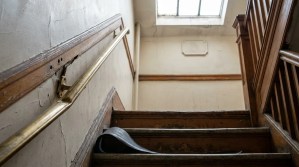
For accidents on stairs or ramps, property owners often claim you were running, carrying items that blocked your view, or failed to use handrails. They might also argue the stairs met building codes and weren't defective. Your attorney can counter by showing code violations, inadequate lighting, worn treads, missing handrails, or improper dimensions that made the stairs unnecessarily dangerous regardless of how carefully you walked.
4. What if the property owner claims they didn't know about the dangerous condition?
Property owners must prove they conducted reasonable inspections and maintenance. Even without actual knowledge of a specific hazard, they can be liable if they "should have known" through reasonable diligence. Your slip and fall lawyer in New York will investigate inspection logs, prior complaints, how long the condition existed, and whether reasonable inspection would have discovered it.
5. Can I still win my case if the property owner blames my footwear?
Inappropriate footwear is a common defense, but wearing normal shoes for the conditions isn't negligence. Unless you wore clearly unsuitable footwear (like high heels on ice), this defense usually fails. Your attorney will demonstrate your footwear was reasonable for the location and weather, and that properly maintained premises should be safe for people wearing typical shoes.
Work with a Trusted Slip and Fall Lawyer
Property owner defenses can seem overwhelming, but they're not insurmountable with the right legal representation. An experienced attorney knows these tactics inside out and prepares your case to defeat them from day one. When choosing legal representation, look for lawyers who understand New York's specific laws, have a track record of overcoming these defenses, and will thoroughly investigate your case rather than accepting quick settlement offers that undervalue your claim.
When you're caught in the whirlwind of slip and fall claims, reaching out for support is crucial. Let Pianko Law be your guiding light, helping you sift through the chaos and defend your rights with confidence. Don't hesitate to get in touch at (646) 801-9675 or contact us to pave the path to fair compensation.