Navigating Construction Zone Injuries: Your Rights Under New York Law
Walking beneath scaffolding on a Manhattan sidewalk shouldn’t end with a trip to the emergency room, yet thousands of pedestrians suffer serious injuries each year from construction-related slip and fall accidents. If you’ve been injured due to poorly maintained scaffolding, debris-covered walkways, or inadequate safety measures around construction sites, you’re likely facing mounting medical bills, lost wages, and physical pain while wondering who’s responsible for your injuries. The construction boom across New York City has created a maze of temporary walkways, covered sidewalks, and potential hazards that put pedestrians at risk daily, but property owners and contractors have specific legal obligations to keep these areas safe.
💡 Pro Tip: Take photos immediately after your accident showing the exact conditions that caused your fall – construction sites change rapidly, and this evidence can disappear within days.
Got questions about your rights after a construction zone accident? Pianko Law is here to help you make sense of it all. Connect with us today at (646) 801-9675 or contact us to start your journey toward securing the compensation you deserve.
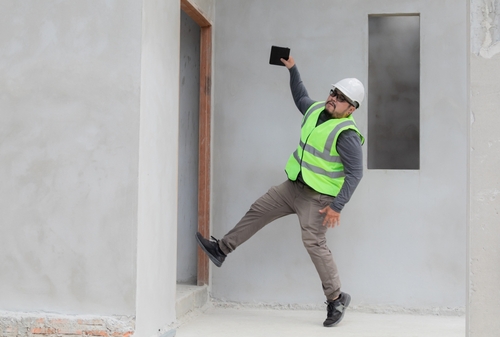
Understanding Your Legal Protections as a Pedestrian
New York law provides strong protections for pedestrians injured near construction sites, recognizing that property owners, general contractors, and subcontractors must maintain safe conditions for the public. The Occupational Safety and Health Administration (OSHA) requires employers in the construction industry to provide fall protection at heights of six feet or more, but these regulations extend beyond just protecting workers. When construction activities create hazards for pedestrians – such as debris falling from scaffolding, slippery surfaces from leaks or spills, or inadequate lighting in covered walkways – multiple parties may bear responsibility. A slip and fall lawyer in New York can help identify all potentially liable parties, which often includes the property owner who retained control over the work area, the general contractor overseeing the project, and any subcontractors whose negligence contributed to unsafe conditions.
💡 Pro Tip: Request copies of any incident reports filed with the building management or construction company – these often contain admissions about known hazards that strengthen your claim.
Critical Steps and Deadlines After Your Construction Zone Accident
Time is crucial after a slip and fall accident near a construction site, as evidence can disappear quickly and New York’s statute of limitations sets firm deadlines for filing claims. Understanding the typical progression helps ensure you protect your rights while focusing on recovery. Working with a slip and fall lawyer in New York becomes essential as construction companies often have rapid response teams that document scenes in ways favorable to their defense.
- Immediate Response (Day 1): Seek medical attention, report the accident to site management, photograph conditions, and gather witness contact information
- Evidence Preservation (Days 1-7): Document your injuries, request surveillance footage, and file reports with relevant authorities including OSHA if applicable
- Legal Consultation (Week 1-2): Meet with an attorney to evaluate your claim and identify all potentially liable parties before evidence is altered or destroyed
- Investigation Phase (Weeks 2-8): Your legal team investigates permits, safety violations, prior incidents, and insurance coverage while you focus on medical treatment
- Claim Filing (Months 1-3): Formal claims are filed against responsible parties, with New York generally allowing three years for personal injury claims
- Resolution (Months 6-24): Most cases settle through negotiation, though complex construction accident cases may require litigation
💡 Pro Tip: Keep a daily journal documenting your pain levels, mobility limitations, and activities you can’t perform – insurance companies often dispute the severity of injuries months later.
Securing Fair Compensation with Pianko Law’s Proven Approach
Construction zone slip and fall cases require aggressive representation because construction companies and their insurers often dispute liability, claiming pedestrians should have anticipated hazards. At Pianko Law, we understand that property owners and contractors cannot simply put up warning signs and escape responsibility – they must actively maintain safe conditions for pedestrians. Our slip and fall lawyer in New York team investigates whether proper permits were obtained, safety protocols were followed, and whether similar incidents occurred previously at the site. We work with construction safety experts who can testify about industry standards and identify violations that contributed to your accident, building cases that compel fair settlements or successful verdicts.
💡 Pro Tip: Don’t give recorded statements to insurance adjusters without legal representation – they’re trained to elicit responses that minimize your claim’s value.
Special Protections Under New York’s Scaffolding Laws
New York Labor Law Section 240, known as the "Scaffold Law," provides unique protections that can benefit pedestrians injured by falling objects or scaffold collapses. While primarily designed to protect construction workers, this statute’s absolute liability provisions can apply when scaffolding failures injure passersby. The law recognizes that gravity-related accidents pose extreme dangers, holding property owners and contractors strictly liable for injuries caused by inadequate safety devices. Understanding how New York Labor Law Section 240 intersects with premises liability claims requires experienced legal analysis, as these powerful protections can significantly strengthen your case when applicable.
When Worker Safety Laws Protect Pedestrians
Though you weren’t employed at the construction site, violations of worker safety regulations can establish negligence per se in your pedestrian injury claim. If investigators find OSHA violations or breaches of New York’s Industrial Code, these regulatory violations provide strong evidence that defendants failed to maintain reasonable safety standards. Your slip and fall lawyer in New York can use these violations to demonstrate that the construction site posed unreasonable dangers to anyone in the vicinity, not just workers.
💡 Pro Tip: Ask your attorney to request OSHA inspection records for the construction site – violations found before or after your accident can prove a pattern of negligence.
Hidden Hazards in NYC’s Construction Zones
Construction zones create numerous slip and fall risks beyond the obvious debris and uneven surfaces. Water accumulation from construction activities, inadequate temporary lighting under scaffolding, and narrow pedestrian corridors that force people into dangerous areas all contribute to accidents. Metal plates covering street work become extremely slippery when wet, while plastic sheeting used to contain dust can create treacherous walking surfaces. Construction site fall injuries and legal claims often reveal that multiple unsafe conditions combined to cause an accident, making it crucial to document every hazard present at the scene.
Responsibility for Sidewalk Maintenance During Construction
New York City regulations require property owners and contractors to maintain safe sidewalk conditions throughout construction projects, including providing adequate width for pedestrian passage, proper lighting, and slip-resistant surfaces. When contractors close sidewalks without proper permits or create dangerous detours, they assume liability for resulting injuries. Understanding these specific requirements helps your slip and fall lawyer in New York build a stronger case by showing exactly which safety standards were violated.
💡 Pro Tip: Check if the construction site had proper permits for sidewalk closures – unpermitted work often leads to increased liability and stronger claims.
Maximizing Recovery Despite Complex Insurance Issues
Construction site accidents often involve multiple insurance policies, creating both opportunities and challenges for recovery. General contractors, subcontractors, and property owners typically carry separate liability coverage, and determining which policies apply requires careful analysis of contracts and insurance certificates. Additionally, if the construction project involves city property or federal buildings, special rules under the Federal Tort Claims Act may apply, imposing strict notice requirements and limiting recovery options. Your slip and fall lawyer in New York must navigate these overlapping coverage issues while ensuring all viable insurance sources are pursued for maximum compensation.
Dealing with Out-of-State Construction Companies
Many construction companies working in New York City are based in other states, potentially complicating service of process and jurisdiction issues. However, companies performing work in New York generally submit to local jurisdiction and must maintain insurance meeting state minimums. Construction site fall injuries and legal claims against out-of-state entities require attorneys familiar with interstate litigation procedures and the specific requirements for holding foreign corporations accountable in New York courts.
💡 Pro Tip: Verify the construction company’s insurance is authorized to operate in New York – some out-of-state policies may not provide adequate coverage for local claims.
Frequently Asked Questions
Understanding Your Rights After Construction Zone Injuries
Pedestrians injured near construction sites often have questions about liability, compensation, and the legal process. These accidents raise unique issues compared to typical slip and fall cases.
💡 Pro Tip: Prepare a timeline of events and list of all medical providers before your legal consultation to make the most of your meeting time.
Navigating the Claims Process
Filing claims against construction companies requires understanding industry-specific defenses and insurance practices that differ from standard premises liability cases.
💡 Pro Tip: Never accept a quick settlement offer without legal review – construction accident claims often have higher values than initial offers suggest.
1. Can I sue if I slipped on water or debris from construction work above the sidewalk?
Yes, property owners and contractors must prevent construction materials and water from creating hazards on sidewalks below. If debris, tools, or liquids fall from scaffolding or construction sites causing your injury, multiple parties may be liable including the general contractor, property owner, and specific subcontractors responsible for the hazard.
2. What if warning signs were posted about the construction hazard?
Warning signs alone don’t absolve property owners and contractors from maintaining safe conditions. New York law requires actual safety measures, not just warnings. If the hazard could have been eliminated or better protected against, liability may still exist even with posted warnings.
3. How long do I have to file a claim after a construction zone slip and fall?
New York generally allows three years for personal injury claims, but construction cases may have shorter deadlines. If the accident involved city property, you must file a Notice of Claim within 90 days. Some construction contracts also contain notice provisions that could affect your rights if not followed promptly.
4. What damages can I recover from a construction site slip and fall accident?
You may recover medical expenses (past and future), lost wages, pain and suffering, and loss of enjoyment of life. If the construction company’s conduct was particularly reckless, punitive damages might be available. The presence of safety violations often increases case values significantly.
5. Should I report my accident to OSHA or other agencies?
While OSHA primarily investigates worker injuries, reporting pedestrian accidents at construction sites can trigger investigations revealing safety violations that strengthen your civil claim. Your attorney can advise whether filing complaints with OSHA, the Department of Buildings, or other agencies would benefit your case.
Work with a Trusted Slip and Fall Lawyer
Construction zone accidents demand attorneys who understand both premises liability law and construction industry practices. The complexity of determining responsibility among property owners, general contractors, and subcontractors requires thorough investigation and strategic litigation skills. When choosing legal representation, look for firms with specific experience handling construction-related pedestrian injuries and the resources to stand up to large construction companies and their insurers.
If a slip and fall has tripped you up near NYC scaffolding, Pianko Law is ready to steer you through the legal maze. Let us help you untangle this mess—give us a ring at (646) 801-9675 or contact us today to begin your path to recovery and rightful compensation.