When Symptoms Surface Late: Understanding Post-Crash Back Injuries in NYC
Key Takeaways: Delayed back pain often surfaces days after a NYC car accident because adrenaline initially masks spinal trauma while inflammation and soft-tissue swelling build gradually, causing discomfort to emerge 24 to 72 hours later or longer. Common delayed injuries include whiplash, herniated discs, facet joint injuries, and lumbar sprains, making prompt medical evaluation essential even if you feel fine at the scene. New York’s three-year statute of limitations generally runs from the accident date rather than when symptoms appear, and claims against public entities require a Notice of Claim within 90 days. The state’s no-fault system covers early medical care, but recovering pain and suffering damages requires meeting the serious injury threshold under Insurance Law § 5104(a). Pure comparative negligence allows reduced recovery even if you were partly at fault. Seeking prompt care, documenting symptoms, and acting quickly protect both your health and legal claim.
Delayed back pain often appears days after a NYC car accident because the body’s stress response and gradual inflammation mask spinal trauma at the scene. After a collision, adrenaline surges through your system, temporarily suppressing pain signals. As that chemical response fades and soft-tissue swelling builds around the spine, discs, and muscles, discomfort can emerge 24 to 72 hours later or even longer. This delayed onset is common with whiplash, herniated discs, and muscle strain, which is why medical evaluation matters even when you initially feel unharmed.
If you are coping with mounting pain and questions about your rights, guidance is available now. The team at Pianko Law helps injured New Yorkers document their injuries and pursue fair compensation. Call (646) 801-9675 or reach out through the firm’s online case review form to discuss your situation.
Why Back Pain From a Car Accident Can Take Days to Appear
The delay in symptoms traces back to how your body physically and chemically reacts to violent impact. During a crash, sudden force can stretch ligaments, compress discs, and irritate nerves without producing immediate pain. Because inflammation develops progressively, affected tissues may not signal distress until swelling peaks, often after you have left the scene.
Several mechanisms explain why delayed onset symptoms are so frequent:
- Adrenaline and endorphins temporarily blunt pain perception in the hours following collision.
- Soft-tissue inflammation builds gradually, so back pain intensifies over the following days.
- Micro-tears in muscles and ligaments may go unnoticed until movement reveals stiffness and aching.
- Disc and nerve involvement can produce radiating pain or numbness that surfaces well after impact.
Understanding these patterns helps you take delayed pain seriously rather than dismissing it. A car accident spine injury in New York City can worsen without treatment, and early symptoms are sometimes subtle. Recognizing the difference between minor soreness and developing injury protects both your health and any future claim.
💡 Pro Tip: Keep a simple daily journal noting when pain begins, where it radiates, and how it affects sleep or work. This contemporaneous record can help physicians and, later, your claim connect delayed symptoms to the crash.
Common Delayed Back Injuries After a NYC Collision
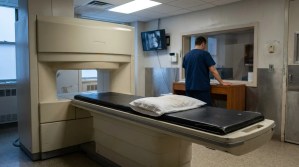
Delayed back pain after a car crash in NYC can stem from various injuries, some more serious than others. Whiplash-associated disorders, herniated or bulging discs, facet joint injuries, and lumbar sprains frequently produce symptoms that appear or worsen days later. Prompt clinical exam and imaging can clarify what is happening beneath the surface.
Certain warning signs suggest a more significant problem warranting urgent care. Radiating pain into the legs, tingling, numbness, weakness, or loss of bladder control can indicate nerve compression or spinal issues. If you notice these symptoms, seeking immediate medical attention is important for your safety and recovery. For a broader look at how symptoms may signal underlying harm, our overview of pains after a car accident and what they could mean offers helpful context.
💡 Pro Tip: Even if you declined an ambulance at the scene, visiting a doctor within a few days creates a medical record that links your back injury to the accident, which generally strengthens the causation element of a negligence claim.
Legal Deadlines That Make Prompt Action Critical
New York imposes firm deadlines for injury claims, and delayed pain does not automatically extend them. Under CPLR § 214(5), most personal injury actions must be commenced within three years. This clock generally runs from the accident date itself, not when your back pain first appears, which is crucial for delayed-onset scenarios.
New York courts recognize only narrow exceptions to this accrual rule. CPLR § 214(5) excepts only sections 214-b, 214-c, 214-i, and 215, meaning ordinary motor vehicle injury claims do not benefit from delayed-discovery extension. You can review the full text of New York’s three-year injury statute to see how these deadlines are structured.
Claims involving government entities carry much shorter deadlines. If an MTA bus, city vehicle, or other public entity is involved, a Notice of Claim generally must be filed within 90 days of the incident. This administrative prerequisite is required before suing a public entity in many cases.
| Deadline Type | General Timeframe | Common Application |
|---|---|---|
| Civil statute of limitations | 3 years from the accident | Most private motor vehicle claims |
| Government Notice of Claim | 90 days from the incident | MTA, city, or public vehicle crashes |
💡 Pro Tip: When in doubt about which deadline applies, treat the shortest possible window as your target. Acting early preserves options that a missed deadline can permanently close.
How No-Fault and the Serious Injury Threshold Affect Your Recovery
New York’s no-fault system shapes what a back injury claim in New York can recover. No-fault benefits cover early medical treatment, giving crash victims reason to seek care and submit proof promptly even when pain is delayed. Under NY Insurance Law § 5106(a), first-party benefits are overdue if not paid within 30 days after the claimant supplies proof of loss, and overdue payments bear interest at two percent per month.
Recovering for pain and suffering, however, requires clearing a higher bar. Under NY Insurance Law § 5104(a), there is generally no right of recovery for non-economic loss except in the case of a serious injury. This makes thorough medical documentation of a delayed back or spine injury central to any claim for pain and suffering. A herniated disc or significant limitation of use may qualify, but whether an injury meets the statutory threshold is often fact-dependent and contested.
💡 Pro Tip: Ask your treating physician to document objective findings such as MRI results and range-of-motion limitations. Objective evidence generally carries more weight than subjective complaints when evaluating the serious injury threshold.
When You Share Some of the Blame
Even if you were partly at fault for the crash, New York law may still allow you to recover reduced damages. New York follows a pure comparative negligence rule, which reduces a plaintiff’s recovery in proportion to their share of fault rather than barring it entirely. Under this framework, a plaintiff even 99 percent at fault can still recover for the remaining share, as explained in resources discussing comparative negligence principles.
In practice, apportionment can meaningfully affect the size of an award. If a court assigns 60 percent fault to the defendant and 40 percent to the plaintiff, the plaintiff generally recovers 60 percent of total damages. Because insurers may argue that a delayed injury was pre-existing or unrelated, clear documentation helps counter attempts to shift blame or discount your recovery.
Steps to Protect a Delayed Injury Claim
Taking deliberate steps early can preserve both your health and legal options. Seek medical care promptly, follow through with recommended treatment, and keep detailed records of your symptoms and expenses. Preserving evidence such as photographs, the police report, and witness contacts also supports the duty, breach, causation, and damages elements of a negligence claim.
Working with a knowledgeable advocate can help you navigate insurer negotiations and strict deadlines. A firm respected for handling motor vehicle cases can evaluate whether your injury meets New York’s thresholds and help you avoid procedural missteps. To learn more, explore our resource for those facing a NYC car accident back injury and the negligence claims that follow.
Frequently Asked Questions
1. How long after a NYC car accident can back pain appear?
Back pain from a car accident can surface anywhere from a day to several weeks after the collision. The delay commonly results from adrenaline masking pain initially and inflammation building gradually. Seeking medical evaluation soon after the crash helps document the connection between the accident and your symptoms.
2. Does delayed back pain extend my filing deadline in New York?
Generally, no. Under CPLR § 214(5), the three-year clock for most personal injury claims runs from the accident date, not when symptoms appear. Courts interpret delayed-discovery exceptions narrowly, and they typically do not apply to ordinary car accident injuries.
3. Can I still recover if I was partly responsible for the crash?
Often, yes. New York’s pure comparative negligence rule generally allows recovery reduced by your percentage of fault. Your total award may be trimmed if you share blame, but partial fault does not automatically bar a claim.
4. What if a city bus or government vehicle caused my accident?
A much shorter deadline usually applies. For crashes involving public entities like the MTA, a Notice of Claim generally must be filed within 90 days of the incident. This administrative step is required before you can sue.
5. Why does the serious injury threshold matter for back pain claims?
Under NY Insurance Law § 5104(a), pain and suffering damages generally require a qualifying serious injury. A delayed-onset back or spine injury must meet the statutory definition to support non-economic recovery. Thorough medical documentation is important, though whether an injury qualifies depends on the facts.
Moving Forward After a Delayed-Onset Back Injury
Delayed back pain after a NYC car accident is common, medically explainable, and legally significant. Because inflammation and the body’s stress response can hide spinal trauma at first, prompt medical care protects both your recovery and your claim. New York’s three-year statute of limitations, 90-day government claim window, no-fault rules, and serious injury threshold all reward early action and careful documentation.
If delayed pain has left you facing medical bills and uncertainty, help is within reach. The attorneys at Pianko Law are trusted by clients across the Bronx, Brooklyn, and Queens for handling auto accident injury claims. Call (646) 801-9675 today or complete the firm’s confidential contact form to take the next step toward protecting your rights.