When NYC’s Massive Sidewalk Replacement Program Leaves You Behind
Every year, New York City replaces more than two million square feet of sidewalk – yet thousands of property owners watch dangerous conditions worsen outside their doors. If you’ve tripped on a cracked sidewalk while the city repairs walkways blocks away, you’re experiencing a frustrating reality of NYC’s sidewalk maintenance system. The city focuses replacement efforts primarily on city-owned property and residential neighborhoods with single-family homes, often leaving commercial and mixed-use districts with deteriorating walkways. This selective approach creates hazardous surfaces across the five boroughs, putting pedestrians at risk where property owners haven’t maintained sidewalks despite legal obligations.
💡 Pro Tip: Document sidewalk defects immediately with photos showing the date, location, and surrounding landmarks – this evidence becomes crucial if you’re injured later.
If you’ve stumbled upon a sidewalk hazard while the city works on walkways elsewhere, it’s time to stand your ground. Reach out to Pianko Law for a consultation, and let’s turn your frustration into action. Contact us today at (646) 801-9675 or contact us.
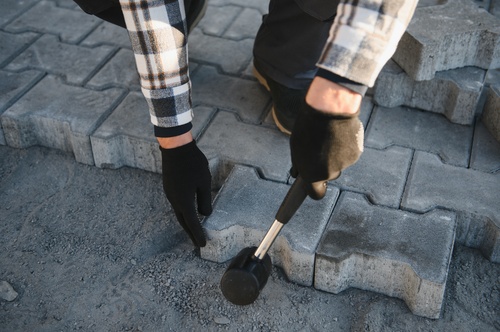
Understanding Your Rights When Property Owners Neglect Sidewalk Repairs
Since September 14, 2003, when Local Law No. 49 took effect, New York City property owners bear primary responsibility for sidewalk accidents on their property. This law shifted liability from the city to property owners for maintaining, repairing, and ensuring safety of sidewalks adjoining their properties. The law requires property owners to maintain liability insurance coverage, providing injured pedestrians with a clear path to compensation.
Understanding sidewalk accident premises liability lawsuits requires knowing that property owners must have actual or constructive notice of dangerous conditions – meaning they either knew about the defect or should have known through reasonable inspection. The city maintains detailed records of all written notices regarding sidewalk defects, which serve as presumptive proof of notice in legal proceedings. These notice requirements become critical elements in establishing the property owner’s negligence and liability for your injuries.
💡 Pro Tip: Check NYC DOT’s online records for any prior complaints about the sidewalk where you were injured – this documented history strengthens your claim significantly.
The Timeline from Sidewalk Complaint to Resolution
Understanding the timeline of sidewalk repairs and liability helps injured pedestrians recognize when property owners have failed their obligations. When the Department of Transportation issues a Notice of Sidewalk Violation, property owners have just 75 days to complete repairs. If they fail to act, NYC DOT may arrange the repair and bill the owner through the Department of Finance. This clear deadline creates a powerful tool for establishing negligence when accidents occur on sidewalks with outstanding violations.
- Day 1-30: Initial violation notice delivered to property owner with specific defects identified
- Day 1-75: Property owner must obtain permits ($70 per 300 linear feet) and complete repairs
- Day 76+: After 75 days from a Notice of Sidewalk Violation, NYC DOT may hire a contractor to perform repairs at the owner’s expense; city-hired contractors typically cost more than private contractors, though the exact cost difference varies by project
- Ongoing: Property owners are required to maintain liability insurance to cover sidewalk-related injuries under Local Law 54 of 2003; they are not required to file annual proof of insurance certificates with the Department of Buildings
- Records: Sidewalk violation notices are filed with the County Clerk’s Office and remain on record until repairs are completed and approved by the city; the specific retention period and transfer timeline is not publicly documented
💡 Pro Tip: If injured after day 75 of an unrepaired violation, you have strong evidence of negligence since the property owner exceeded their legal repair deadline.
Finding Justice When NYC’s Sidewalk System Fails You
When you’re injured because a property owner ignored their sidewalk maintenance duties while the city replaced walkways elsewhere, you need aggressive legal representation to secure fair compensation. Pianko Law understands the frustration of watching the city invest millions in sidewalk replacements while negligent property owners allow dangerous conditions to persist. The firm’s attorneys leverage NYC’s detailed notice records, violation histories, and the 75-day repair requirement to build compelling cases that hold property owners accountable.
Pursuing compensation requires proving three essential elements: a dangerous sidewalk condition existed, the property owner knew or should have known about it, and they failed to warn pedestrians or fix the hazard despite reasonable opportunity. With over 12,000 miles of sidewalks across NYC and the DOT’s Expedited Sidewalk Repair Program currently on pause, dangerous conditions multiply faster than repairs can address them. This makes it crucial to work with experienced legal counsel who can navigate the legal complexities of holding property owners responsible for sidewalk injuries.
💡 Pro Tip: Request a copy of the property’s insurance certificate from DOB records – this confirms coverage exists and speeds up the claims process.
The Hidden Impact of NYC’s Selective Sidewalk Replacement Strategy
While NYC’s announcement of replacing two million square feet of sidewalk annually sounds impressive, this represents less than 1% (approximately 0.5-0.6%) of the city’s total sidewalk infrastructure. With the city prioritizing its own property and residential areas with single-family homes, commercial districts and mixed-use neighborhoods often see their sidewalks deteriorate for years without intervention. This creates dangerous disparities where multiple cases might originate from the same neglected blocks while nearby city-owned sidewalks receive regular maintenance.
Economic Consequences of Deferred Sidewalk Maintenance
Property owners who defer sidewalk repairs face mounting financial risks beyond initial repair costs. When injuries occur on neglected sidewalks, settlements often exceed $100,000 for serious injuries, far surpassing the cost of timely maintenance. The requirement for property owners to maintain liability insurance under Local Law No. 54 reflects the city’s recognition of these substantial financial exposures. Insurance premiums increase after claims, creating a cycle where negligent property owners pay more while still avoiding necessary repairs.
💡 Pro Tip: Check if multiple injuries have occurred at the same location – pattern evidence dramatically strengthens individual claims and may support punitive damages.
Navigating NYC’s Complex Web of Sidewalk Responsibility
Understanding NYC sidewalk regulations requires recognizing multiple layers of responsibility that evolved since 2003. Before Local Law No. 49 took effect on September 14, 2003, New York City bore primary responsibility for maintaining the city’s sidewalks and was primarily liable for sidewalk accidents. The shift to property owner liability aimed to incentivize better maintenance, but the pause of the Expedited Sidewalk Repair Program has left many owners without city support. Property owners must now navigate permit requirements, find qualified contractors, and manage repairs independently while facing strict 75-day deadlines.
Special Circumstances That Complicate Liability
Certain situations blur the lines of sidewalk responsibility, requiring experienced legal analysis to determine liability. Construction zones, utility work, and tree root damage create scenarios where multiple parties might share fault. These complex cases demand investigation into permits, contracts, and maintenance agreements that might shift or share liability among property owners, contractors, and city agencies.
💡 Pro Tip: Document any construction barriers, utility markings, or tree conditions near the accident site – these factors often reveal additional liable parties beyond the property owner.
Frequently Asked Questions
Common Concerns About NYC Sidewalk Accidents
Pedestrians injured on New York City sidewalks often share similar questions about their rights and the legal process. Understanding these common concerns helps victims make informed decisions about pursuing compensation.
💡 Pro Tip: Prepare a detailed timeline of your accident before consulting an attorney – include weather conditions, witnesses, and any prior complaints you made about the sidewalk.
Understanding Your Legal Options
The path forward after a sidewalk injury depends on multiple factors including injury severity, clarity of liability, and the property owner’s insurance coverage.
💡 Pro Tip: Start documenting medical expenses immediately – include transportation costs to appointments, prescription receipts, and time missed from work for treatment.
1. If NYC replaces millions of square feet of sidewalk yearly, why wasn’t the dangerous sidewalk where I fell repaired?
NYC’s sidewalk replacement program primarily focuses on city-owned property and residential areas, leaving private property owners responsible for their own sidewalk maintenance. Since 2003, Local Law No. 49 shifted liability to property owners, meaning the city won’t automatically repair sidewalks adjoining private property unless the owner fails to comply with violation notices.
2. How do I prove the property owner knew about the sidewalk defect before my accident?
NYC maintains searchable online records of all sidewalk complaints and violations. Your attorney can access DOT records showing written notices, which serve as presumptive proof of notice. Additionally, the visibility and duration of the defect, witness statements, and prior incidents at the location all help establish the owner’s knowledge.
3. What compensation can I receive for a sidewalk slip and fall injury in New York?
Compensation typically covers medical expenses, lost wages, pain and suffering, and future medical needs. Since property owners must maintain liability insurance under NYC law, coverage usually exists for legitimate claims. The specific amount depends on injury severity, impact on your life, and the strength of evidence proving owner negligence.
4. How long do I have to file a sidewalk injury claim in New York?
Different deadlines apply depending on whether you’re suing a private property owner or the city. Claims against private owners generally allow more time, while municipal claims require written notice within 90 days and filing within one year and 90 days. Given these strict deadlines, consulting an attorney immediately protects your rights.
5. Should I report the sidewalk defect after my accident if the owner hasn’t fixed it?
Yes, report the dangerous condition to both 311 and DOT immediately. This creates an official record, potentially prevents others from being injured, and may trigger the 75-day repair deadline if a violation is issued. Your report also strengthens any future claims by establishing the ongoing danger.
Work with a Trusted Slip and Fall Lawyer
When NYC’s sidewalk replacement program overlooks dangerous conditions that cause your injury, you need legal representation that understands both the city’s complex liability laws and the frustration of preventable accidents. The attorneys at Pianko Law have extensive experience holding negligent property owners accountable for sidewalk injuries, using NYC’s detailed record-keeping systems and violation histories to build strong cases. By thoroughly investigating prior complaints, violation notices, and repair histories, the firm helps injured pedestrians secure compensation while sending a clear message that property owners cannot ignore their sidewalk maintenance obligations.
Don’t let hazardous sidewalks trip you up any longer. Connect with Pianko Law, where you can turn stumbling blocks into stepping stones for justice. Reach out today at (646) 801-9675 or contact us.