
Does New York’s Storm in Progress Rule Apply to Indoor Falls?
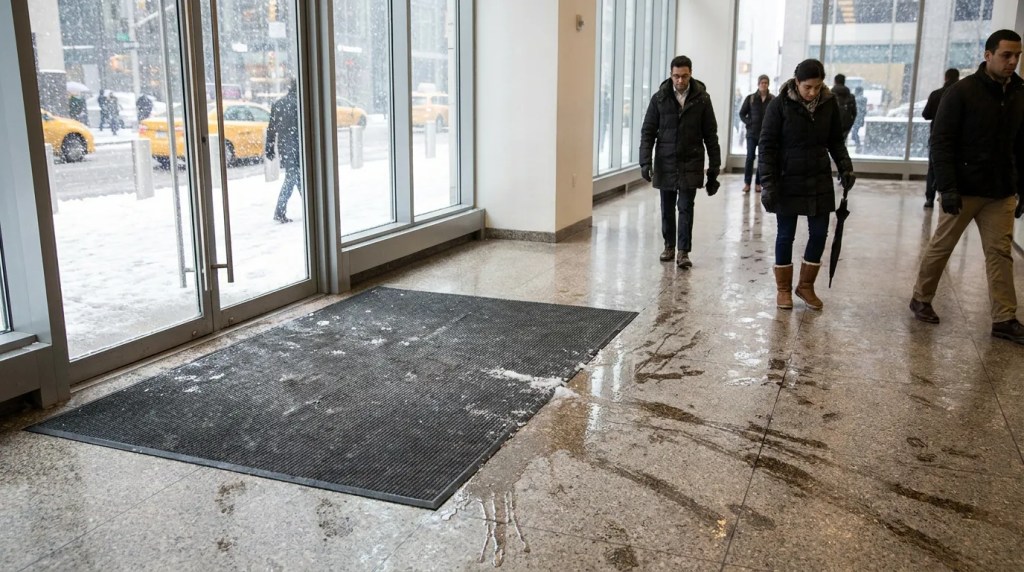
Falling on a Wet Lobby Floor During a Snowstorm: Where Does New York Law Stand? Key Takeaways: New York’s storm in progress rule can be raised in indoor fall cases, but it applies far more narrowly inside a building than on a sidewalk or parking lot. This judge-made defense may suspend a property owner’s duty […]
Who Is Liable for an Escalator Fall Injury in New York City?

Falling on an Escalator in NYC: Understanding Who Can Be Held Responsible Key Takeaways: Liability for an escalator fall in New York City usually rests with whoever owned, controlled, or maintained the equipment, a building owner, tenant, maintenance contractor, manufacturer, or a public entity like a transit authority, and often more than one party shares […]
Who Is Responsible When You Slip and Fall on Someone Else’s Property in NYC?

Falling on Another Person’s Property in New York City: Who Actually Pays? Key Takeaways: Responsibility for a slip and fall in New York City generally rests with the party that owned, occupied, or controlled the unsafe area, an owner, tenant, managing agent, or maintenance contractor, sometimes more than one. Because certain upkeep obligations are non […]
What Does NYC Building Code 27-375 Mean for Interior Stair Fall Victims?

The Stairway Rulebook That Could Decide Your NYC Injury Claim Key Takeaways: NYC Administrative Code § 27-375 sets measurable requirements for interior stairs including minimum widths, riser and tread proportions, landings, headroom, guards, handrails, and door swing. For interior stair fall victims, departure from these standards may serve as objective evidence of breach of duty. […]
What Is the Trivial Defect Doctrine in a New York Slip and Fall Case?
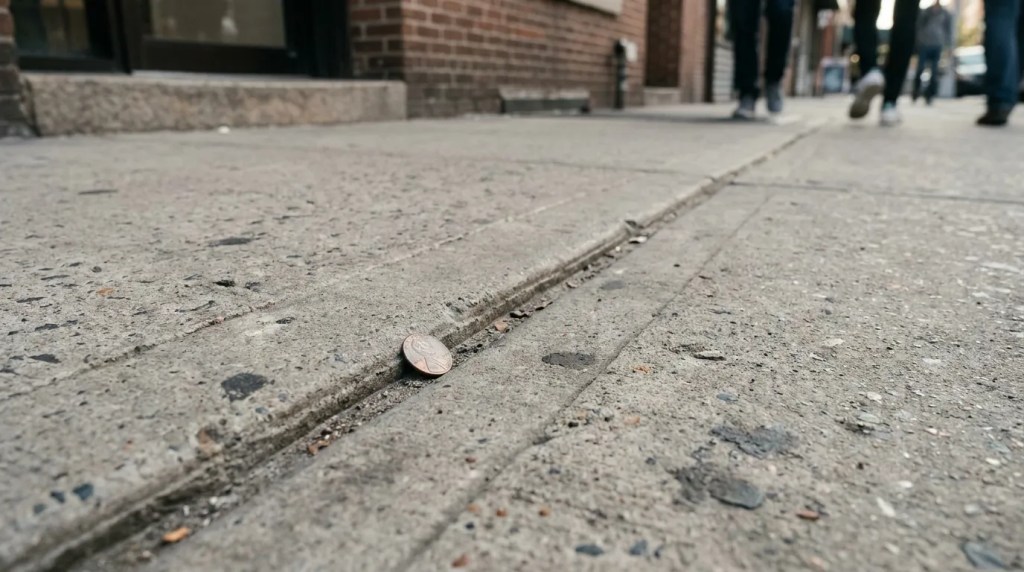
When a Small Sidewalk Crack Becomes a Big Legal Fight Key Takeaways: The trivial defect doctrine is a defense New York property owners use to argue that a condition causing a fall was too slight to be legally actionable. New York courts reject bright-line minimum measurements and instead weigh the defect’s width, depth, elevation, and […]
What Is a 50-h Hearing in a New York City Slip and Fall Claim?

Understanding the City’s Pre-Suit Examination After a Fall on Public Property Key Takeaways: A 50-h hearing is a sworn, pre-suit examination that New York City may demand of an injured claimant under General Municipal Law § 50-h, covering the occurrence and extent of injuries claimed, and may include a physical examination if the written demand […]
What Is the Big Apple Pothole Map and How Does It Help NYC Fall Victims?

Why a Street Defect Record Can Make or Break Your NYC Fall Case Key Takeaways: The Big Apple Pothole and Sidewalk Protection Corporation map plots potholes, broken sidewalk flags, and similar hazards at specific NYC locations. Under New York’s prior written notice rules, Administrative Code § 7-201(c) (the Pothole Law), which parallels NY CPLR § […]
What Is a Fair Settlement Range for a Minor NYC Slip and Fall Injury?

Understanding What Your NYC Slip and Fall Claim May Be Worth Key Takeaways: A fair settlement for a minor NYC slip and fall injury depends on injury severity, liability evidence strength, and assigned fault percentage. No single average exists because cases involving soft tissue injuries, sprains, or minor fractures vary with injury severity, liability clarity, […]
Can a Slip and Fall Settle Without Surgery in New York City?

Understanding Your Options After a Non-Surgical Fall in NYC Key Takeaways: Yes, a slip and fall can settle without surgery in New York City because a claim’s value depends on liability, documented harm, and evidence rather than whether an operation occurred. Proving liability requires showing the property owner had actual or constructive notice of the […]
What Types of Surgery Increase a Slip and Fall Settlement in NYC?

How Surgery Shapes the Value of a NYC Fall Claim Key Takeaways: Surgery after a NYC slip and fall generally raises claim value by documenting injury severity, increasing economic damages like hospital bills and future care, and supporting larger pain and suffering awards. Spinal procedures, knee and shoulder reconstructions, hip repairs, and surgeries for complex […]