NYC Property Owners Face Unique Sidewalk Liability Rules
If you own a one-, two-, or three-family home in New York City and live there, you might be surprised to learn that you could have special protection from sidewalk slip and fall lawsuits. Unlike commercial property owners or landlords of larger buildings, owner-occupied residential properties in NYC benefit from a specific exemption under Administrative Code § 7-210(b). This exemption can make all the difference if someone falls on the sidewalk in front of your home, potentially shielding you from costly liability claims that other property owners would face.
💡 Pro Tip: Document your property’s residential use and owner-occupancy status with utility bills, tax records, and homestead exemptions – this paperwork could become crucial evidence if someone files a slip and fall claim.
If you’re navigating the complex legal landscape of sidewalk liability in New York City, let Pianko Law be your guide. Protect your rights and peace of mind by reaching out to us today. Give us a call at (646) 801-9675 or contact us for professional legal support.
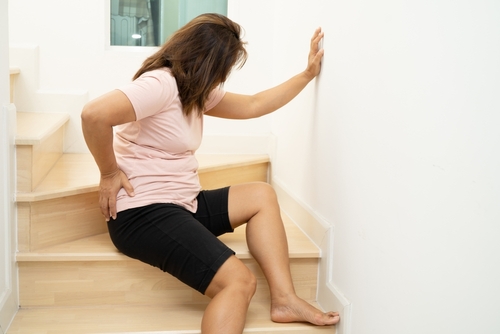
Understanding NYC’s Residential Property Exemption for Sidewalk Falls
New York City’s Administrative Code § 7-210 generally makes property owners responsible for maintaining sidewalks adjoining their properties and liable for injuries caused by defective conditions. However, the law carves out a critical exemption for one-, two-, or three-family residential properties that meet two specific criteria: the property must be at least partially owner-occupied, and it must be used exclusively for residential purposes. This exemption recognizes that individual homeowners shouldn’t face the same liability burden as commercial property owners or large landlords. The landmark case of Kronenberg v Narayan demonstrated how this exemption works in practice, where the Appellate Division affirmed that a two-family owner-occupied residence was exempt from liability when someone slipped and fell on the sidewalk.
💡 Pro Tip: Keep detailed records showing your property’s exclusive residential use – even a home office or occasional rental income could potentially jeopardize your exemption status.
What Happens After a Sidewalk Fall at Your Property
When someone falls on a sidewalk adjoining your residential property, the timeline of events becomes crucial for determining your potential liability. Understanding each step helps you protect your rights while handling the situation appropriately. Working with an experienced slip and fall lawyer in New York becomes essential during this process, as they can help establish your exempt status early and prevent costly mistakes that could waive your protection.
- Immediately after the fall: Document the scene with photos, including the exact location where the person fell – this becomes critical if you need to prove the fall didn’t occur in a "special use" area like a driveway
- Within days: The injured party typically seeks medical treatment and may begin investigating property ownership records
- Within weeks: You might receive notice of a potential claim or lawsuit – this is when establishing your owner-occupied residential exemption becomes crucial
- 75-day window: If NYC DOT issues a Notice of Sidewalk Violation, you have 75 days to make repairs before the city can perform the work and bill you
- Three-year deadline: Under New York law, the injured party generally has three years to file a lawsuit for personal injury claims
💡 Pro Tip: Never admit fault or discuss liability at the scene – instead, focus on ensuring the injured person receives medical attention and document everything about the incident location and conditions.
How a Slip and Fall Lawyer in New York Protects Owner-Occupied Properties
Successfully asserting the residential property exemption requires more than just stating you live in your home – you need compelling evidence that satisfies the legal requirements. A skilled slip and fall lawyer in New York understands the specific documentation needed to establish both owner-occupancy and exclusive residential use. The attorneys at Pianko Law have extensive experience defending homeowners using the § 7-210(b) exemption, having helped numerous NYC property owners avoid liability by properly documenting their exempt status. They know how to counter common challenges, such as claims that a driveway constitutes "special use" or arguments that any commercial activity defeats the exemption.
💡 Pro Tip: Gather evidence of your owner-occupancy immediately, including mortgage documents, homestead exemptions, voter registration, and driver’s license showing your property address – don’t wait until after a lawsuit is filed.
Critical Factors That Can Make or Break Your Exemption
While the owner-occupied residential exemption provides powerful protection, several factors can potentially defeat it. Understanding these nuances helps homeowners maintain their exempt status and avoid unexpected liability. The courts examine each situation carefully, looking beyond surface-level claims to determine whether a property truly qualifies for the exemption. Recent cases like Kronenberg v Narayan have clarified how courts analyze these factors, providing valuable guidance for property owners.
The "Special Use" Exception
Even if your property qualifies as owner-occupied residential, creating a "special use" of the sidewalk can eliminate your exemption. Common examples include installing decorative planters, outdoor seating, or signage that extends onto the sidewalk. However, as proven in proving fault in slip and fall accidents cases, the mere presence of a driveway doesn’t automatically create special use – the fall must occur in the area actually used for vehicle access. Courts look at whether you’ve derived a special benefit from the sidewalk beyond normal residential use.
💡 Pro Tip: Photograph your entire sidewalk area monthly to document that you haven’t created any special uses – this contemporaneous evidence can defeat claims made months or years after an accident.
NYC’s Changing Sidewalk Laws and What They Mean for Homeowners
New York City’s sidewalk maintenance laws continue to evolve, with proposed legislation potentially affecting property owner responsibilities. Currently, Local Law Int 0318-2024 proposes limiting sidewalk maintenance obligations to 30 feet from the property line, while explicitly preserving the existing exemption for one-, two-, and three-family owner-occupied residences. Understanding these changes helps homeowners plan for future responsibilities while maintaining their current protections.
Tree-Damaged Sidewalks Get Special Treatment
NYC recognizes that property owners shouldn’t bear the cost when city trees damage sidewalks. The city won’t charge owners of one-, two-, or three-family properties for repairing sidewalk damage caused by city tree roots. Additionally, the city has reviewed outstanding Notices of Sidewalk Violation and canceled liens for properties where damage was caused solely by city trees. This policy acknowledges that homeowners can’t control city-planted trees and shouldn’t face financial penalties for resulting damage. Any slip and fall lawyer in New York New York familiar with local regulations can help homeowners document tree-related damage to avoid liability.
💡 Pro Tip: Report tree-related sidewalk damage to NYC Parks immediately and keep all correspondence – this creates an official record that could protect you from both repair costs and liability claims.
Frequently Asked Questions
Common Legal Concerns About Residential Property Exemptions
Property owners often have questions about how the residential exemption works and what could potentially defeat it. Understanding these issues before an accident occurs helps you maintain your protected status.
💡 Pro Tip: Review your property’s use annually to ensure you haven’t inadvertently engaged in activities that could compromise your residential exemption.
Next Steps After a Sidewalk Fall Incident
Knowing what to do immediately after someone falls on your sidewalk can protect both the injured party and your legal interests. Quick action and proper documentation make a significant difference.
💡 Pro Tip: Keep a checklist of post-accident steps posted in your home so family members know exactly what to do if an incident occurs while you’re away.
1. Does renting out a room in my owner-occupied home defeat the residential exemption?
Not necessarily. The key requirement is that the property remains "in whole or in part" owner-occupied. Renting a room while you continue living in the home typically preserves the exemption. However, renting the entire property or operating it as a bed-and-breakfast could defeat the "exclusively residential" requirement. Consult with a New York New York slip and fall lawyer to understand how your specific rental arrangement affects your exemption status.
2. What if someone falls on my driveway entrance rather than the regular sidewalk?
The location matters significantly. As established in Kronenberg v Narayan, the presence of a driveway doesn’t automatically create liability if the fall occurred on a different part of the sidewalk. You’ll need to prove exactly where the fall happened through photographs, witness statements, or surveillance footage. The court will examine whether the driveway area constitutes a "special use" that benefits you beyond normal residential purposes.
3. Can I still be sued even with the owner-occupied exemption?
Yes, anyone can file a lawsuit, but the exemption provides a strong defense. You’ll need to prove your property meets both requirements: owner-occupancy and exclusive residential use. Having proper documentation ready and working with a New York New York slip and fall attorney helps establish your exempt status early in the legal process, potentially leading to dismissal of the case.
4. How long do I have to worry about a potential slip and fall claim?
Under New York law, the statute of limitations for personal injury claims is generally three years from the date of the accident. However, claims against New York City or other municipal entities must follow strict notice requirements under General Municipal Law § 50-e, which requires written notice within 90 days of the incident and filing suit within one year and 90 days. Additionally, if you receive a Notice of Sidewalk Violation from NYC DOT, you have only 75 days to make repairs before the city can perform the work and bill you, regardless of your exemption status for liability purposes.
5. Should I repair a sidewalk defect even if I’m exempt from liability?
Yes, maintaining safe sidewalks benefits everyone and can prevent injuries. While the exemption protects you from liability, NYC can still issue sidewalk violations requiring repairs. Additionally, obvious hazards that you ignore could potentially lead to arguments that you acted with gross negligence. Many homeowners find that proactive maintenance costs less than defending against lawsuits, even with the exemption.
Work with a Trusted Slip and Fall Lawyer
Understanding and successfully asserting the owner-occupied residential property exemption requires thorough knowledge of New York City’s complex sidewalk laws. While the exemption provides valuable protection for qualifying homeowners, establishing your right to this defense demands proper documentation and strategic legal representation. An experienced attorney can help gather the necessary evidence, respond to claims effectively, and ensure your residential property maintains its protected status. Whether defending against a current claim or planning proactively to maintain your exemption, legal guidance helps protect your home and financial security.
Considering the complexities of sidewalk liability in NYC? Pianko Law can smooth out the wrinkles for you. Dial (646) 801-9675 or contact us today to secure your peace of mind and legal clarity.