
How Surgery Changes the Value of a NYC Slip and Fall Claim
Key Takeaways: Slip and fall cases involving surgery often settle for more than claims without surgery because surgery signals serious injury, creates documented medical bills, and supports larger awards for pain, suffering, and lost income. The value depends on proving liability, establishing that the owner knew or should have known about a dangerous condition, and showing that medical records clearly link the fall to the operation. Recoverable damages include medical bills, lost income, pain and suffering, and future treatment costs. Insurers commonly raise comparative negligence defenses, which can reduce compensation based on your percentage of fault. Strict deadlines apply, generally three years for personal injury claims and 90 days to file a Notice of Claim against a municipality. Consulting a qualified attorney about your specific facts provides a more reliable picture than published averages.
Slip and fall cases involving surgery typically settle for more than claims without surgery. Surgery signals serious injury, creates documented medical bills, and supports larger awards for pain, suffering, and lost income. However, the value of any New York slip and fall payout depends on liability, evidence, and how clearly medical records connect the fall to the operation.
If you or a loved one underwent surgery after falling on someone else’s property in the Bronx, Brooklyn, Queens, or Manhattan, Pianko Law can help you understand your options. Call our team at (646) 801-9675 or reach out through our secure contact page to discuss your situation today.
Why Surgery Often Increases Settlement Value in NYC
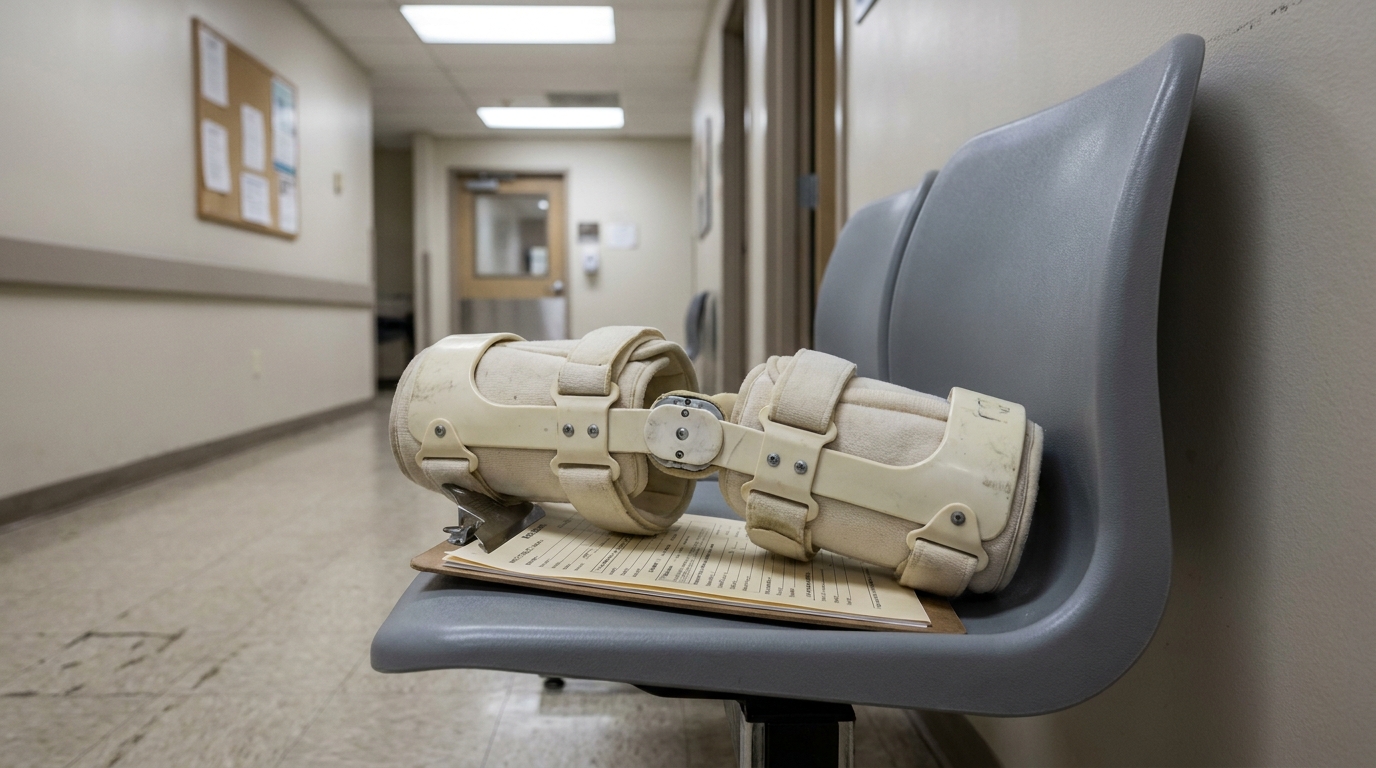
Surgery generally raises the stakes of a premises liability surgery settlement because it reflects a higher level of harm. When a fall leads to an operation, the medical evidence tends to be more objective, treatment more expensive, and recovery more prolonged. Insurers frequently evaluate these factors when assessing a slip and fall surgery settlement NYC claim.
Older adults face especially serious consequences from falls. According to Centers for Disease Control data, there are about 3 million emergency department visits due to older people falls annually, and about 1 million fall-related hospitalizations among older adults, underscoring why surgical cases are taken seriously.
💡 Pro Tip: Keep every surgical record, imaging report, and discharge instruction in one folder. Clear documentation linking the fall to the procedure is often the strongest factor in a fall injury surgery compensation claim.
What You Must Prove in a New York Slip and Fall Claim
To recover compensation, you must establish the core elements of a premises liability case under New York law. Surgery alone does not create liability. You must show that a property owner’s negligence caused the condition that led to your fall and operation.
Duty of Care and Notice
Property owners owe a duty to keep their premises reasonably safe. Under New York law, this duty of reasonable care extends to all foreseeable entrants. In practice, a claimant must show that the owner was negligent regarding an unsafe condition and that this negligence caused the injury.
Notice is often the deciding issue. An owner may be held responsible when the owner created the dangerous condition or knew or should have known about it and failed to repair it, rope it off, or warn of it within a reasonable time. Proving constructive notice frequently turns on evidence like cleaning logs, maintenance records, and camera footage showing the condition existed long enough to be discovered and corrected.
Causation and the Surgery Connection
Causation links the unsafe condition to both your fall and your need for surgery. Negligence is the failure to behave with the level of care that a reasonable person would have exercised under the same circumstances, a standard explained in the Cornell Law School overview of negligence principles. A complete negligence analysis requires duty, breach, harm, proximate cause, and cause-in-fact.
Surgery strengthens the causation picture when records show a direct progression from the accident. Gaps in treatment or pre-existing conditions can complicate this link, so prompt medical evaluation matters. Insurers often scrutinize whether the operation addressed an injury from the fall or an unrelated issue.
Damages You May Recover
Damages reflect the actual harm you suffered, and surgery often expands them significantly. In a slip and fall claim New York City residents pursue, recoverable losses may include:
- Medical bills, including surgical and follow-up care
- Lost income and reduced earning capacity
- Pain and suffering tied to the injury and recovery
- Costs of rehabilitation or future treatment
💡 Pro Tip: Track time missed from work and out-of-pocket costs in a simple log. These records support the lost-income and damages portions of a NYC fall injury surgery compensation claim.
Understanding the Average Slip and Fall Settlement New York City
There is no single fixed figure for the average slip and fall settlement New York City claimants can expect. Each case depends on injury severity, clarity of liability, available insurance coverage, and strength of evidence. A herniated disc requiring fusion surgery and a minor sprain sit at very different ends of the value spectrum.
The table below illustrates common factors that courts and insurers may weigh.
| Factor | Lower Settlement Influence | Higher Settlement Influence |
|---|---|---|
| Injury severity | Minor, no surgery | Surgery, permanent limitation |
| Liability clarity | Disputed notice | Strong proof of notice |
| Comparative fault | Significant plaintiff fault | Little or no plaintiff fault |
| Documentation | Sparse records | Thorough medical and scene evidence |
Because outcomes vary widely, comparing your situation to published ranges has limited value. For a deeper discussion of current figures, review this overview of the average slip and fall settlement New York City for 2026. Speaking with a qualified attorney about your specific facts provides a more reliable picture than relying on averages.
💡 Pro Tip: Be cautious about early settlement offers made before your surgical recovery is complete. The full extent of your damages may not be clear until treatment concludes.
Deadlines That Can Make or Break Your Claim
New York generally requires personal injury actions, including slip and fall cases, to be filed within three years. Under CPLR § 214(5), an action to recover damages for a personal injury must be commenced within three years of the incident. Missing this deadline can bar your claim entirely, subject to limited exceptions that courts interpret narrowly.
Claims against a government entity follow a much shorter track. When a municipality such as New York City is involved, a Notice of Claim generally must be filed within 90 days, with the lawsuit filed within one year and 90 days of the incident. You can review the timing rules in the official text of CPLR Section 214 for the personal injury limitations period.
Tolling or discovery exceptions may apply in limited circumstances, but they are not guaranteed. Courts generally apply these extensions narrowly and on a fact-specific basis, and New York does not recognize a general discovery rule for ordinary personal injury claims. Because deadlines depend on who owned the property and when the claim accrued, prompt legal review is important.
Defenses Insurers Raise and How to Respond
Comparative negligence is one of the most common defenses in slip and fall cases. New York follows a pure comparative negligence rule under CPLR § 1411, meaning a plaintiff’s compensation is reduced by their percentage of fault but is not barred entirely, even if that fault exceeds 50 percent. An insurer might argue you were distracted, wearing improper footwear, or ignored a visible hazard.
Anticipating these arguments early helps protect the value of your case. Preserving photos of the scene, gathering witness statements, and securing surveillance footage can rebut claims that you caused your own fall. A knowledgeable slip and fall attorney NYC residents trust can help counter assumption-of-risk and notice defenses. To learn more, see our resources for the NYC fall accident lawyer team at our firm.
💡 Pro Tip: Avoid giving a recorded statement to an insurance adjuster before consulting an attorney. Casual remarks can later be used to support a comparative-fault argument.
Frequently Asked Questions
1. Does surgery guarantee a larger settlement in NYC?
No outcome is guaranteed. Surgery often increases potential value because it reflects serious harm and higher medical costs, but liability and evidence still control. A strong surgical record can support a higher settlement, yet disputed fault can reduce it.
2. How long do I have to file a slip and fall claim in New York?
Most personal injury claims must be filed within three years under CPLR § 214(5). Claims against a municipality generally require a Notice of Claim within 90 days, followed by a lawsuit within one year and 90 days. These deadlines are separate, and exceptions apply only in limited circumstances.
3. What if I was partly at fault for my fall?
You may still recover compensation under New York’s comparative negligence rule. New York applies pure comparative negligence, so you can recover even if you were more than half at fault, though your award is reduced by your assigned percentage. Strong evidence can help limit how much fault is attributed to you.
4. What evidence helps prove notice of a hazard?
Evidence showing the owner created the danger or knew or should have known about it is key. Cleaning logs, maintenance records, prior complaints, and camera footage can establish notice by showing how long the condition existed. Documenting the scene quickly strengthens this part of a surgery increases settlement value NYC claim.
5. How are damages calculated after fall surgery?
Damages generally reflect medical bills, lost income, and pain and suffering. Surgical and future treatment costs often expand the total. The final figure depends on the specific facts and supporting documentation.
Moving Forward After a Fall and Surgery
Slip and fall cases involving surgery often carry higher value, but that potential depends entirely on proving liability and damages. Surgery creates compelling medical evidence, yet you must show the owner’s negligence, establish notice, and meet strict filing deadlines. Because every case turns on its own facts, comparing your claim to published averages offers limited guidance.
If surgery followed your fall, taking timely action can protect both your health and legal rights. The team at Pianko Law is recognized for handling premises liability matters across New York City and is ready to review your situation. Call (646) 801-9675 or visit our free consultation request page to get answers about your slip and fall claim today.


