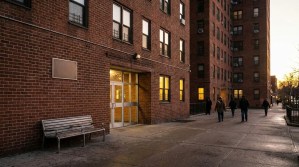
Injured in a NYCHA Building? Here Is What New York Law Allows
Key Takeaways: You can generally sue NYCHA for a slip and fall in a public housing building, but strict public entity rules apply first. In most cases, you must serve a sworn, detailed notice of claim within 90 days of the fall and file the lawsuit within one year and 90 days. Tenants, guests, delivery workers, and other visitors may have claims, and NYCHA may require a 50-h hearing before suit. To win, you generally must prove that NYCHA created the hazard or knew or should have known about it, and that it caused your injuries. Under New York’s comparative negligence rule, being partly at fault generally reduces your damages but does not bar recovery. Preserving evidence, getting prompt medical care, and acting quickly may help protect your right to seek compensation.
Yes, you can generally sue the New York City Housing Authority (NYCHA) after a slip and fall in a public housing building, but you have to follow special rules first. NYCHA is a public entity, so New York law sets shorter deadlines and extra steps. In most cases, you cannot go straight to court. You generally must serve a formal notice of claim within 90 days of the fall, then file the lawsuit within one year and 90 days of the fall. Tenants, guests, delivery workers, and visitors who fell on an icy walkway, a broken stair, or a wet lobby floor may have a claim. If you miss these deadlines, you may lose the claim, even if your injuries are serious.
If you or someone you love got hurt on NYCHA property, getting help early can help protect your rights. Pianko Law helps injured New Yorkers in the Bronx, Brooklyn, Queens, and the rest of the city. You can call (646) 801-9675 or contact us now to talk about what happened.
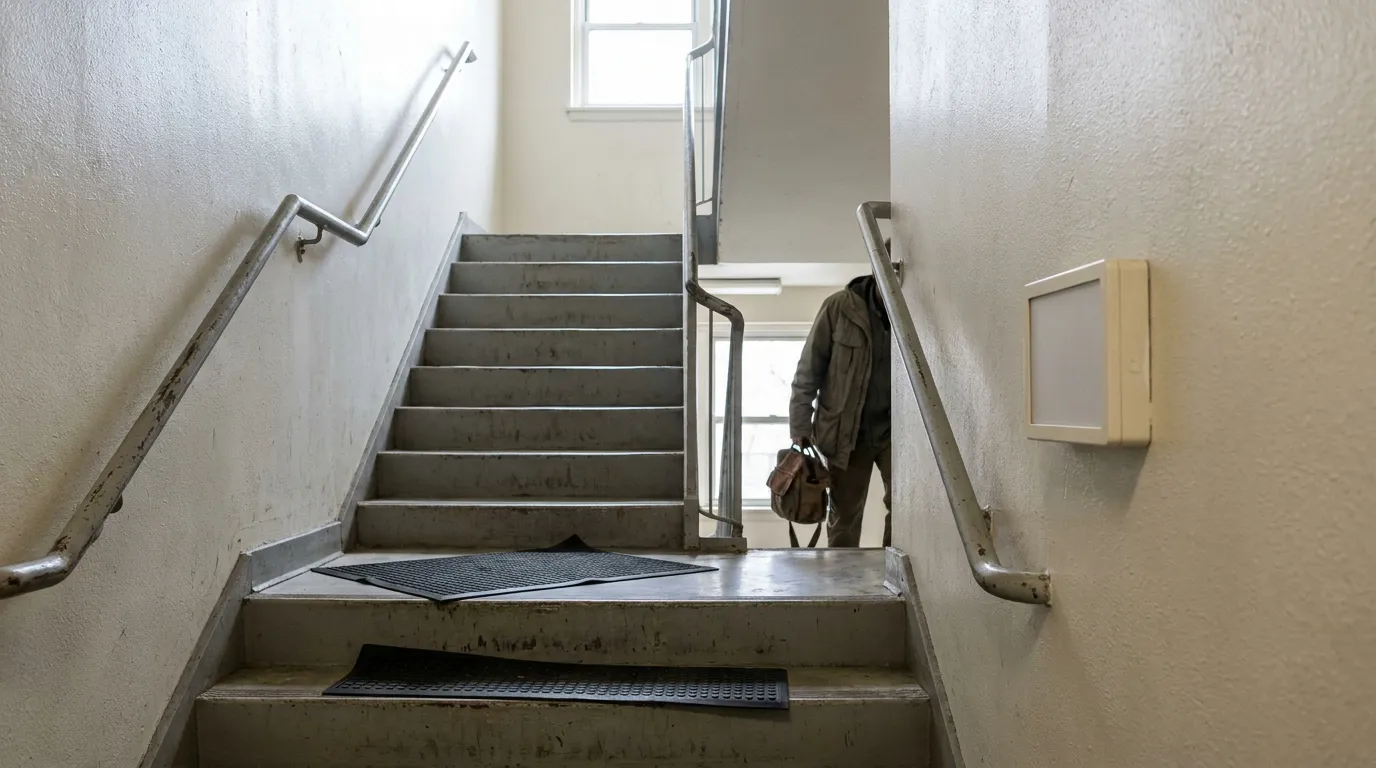
Why a Claim Against NYCHA Is Different From an Ordinary Fall Case
A claim against NYCHA generally follows different rules than a claim against a private landlord or store owner. New York gives public entities procedural protections that private parties do not get, chiefly the notice of claim requirement and the shortened filing deadline. Your case may be strong on the facts and still fail if these rules are not followed.
General Municipal Law § 50-e controls how a notice of claim is given to many New York public entities. NYCHA claims are also governed by Public Housing Law § 157, which makes a notice of claim served under § 50-e a condition precedent to a tort lawsuit and requires suit within one year and 90 days. Other public housing statutes follow a similar pattern. For example, Private Housing Finance Law § 667 makes a notice of claim a condition precedent to suing the public housing corporation it covers, and also requires personal injury suits within one year and 90 days.
The Two-Step Structure Behind Every Public Housing Fall Claim
A public housing fall claim usually happens in two stages. First, you serve a notice of claim that complies with General Municipal Law § 50-e. Second, you file the lawsuit within the time allowed by statute, which for NYCHA is set out in Public Housing Law § 157 and mirrors General Municipal Law § 50-i.
The notice stage is an administrative step, not a lawsuit. It gives the public entity a chance to investigate and possibly settle before litigation. If the claim does not resolve, the separate civil deadline still applies, and serving the notice does not pause it.
Key Deadlines You Cannot Afford to Miss
Deadlines are often the deciding factor in whether a claim against a public entity can move forward. The table below shows the general timelines for many personal injury claims against New York public entities, including NYCHA.
| Step | General Deadline | Source of Rule |
|---|---|---|
| Serve notice of claim | Within 90 days of the incident | General Municipal Law § 50-e |
| Waiting period before suing | At least 30 days after notice, without payment or adjustment | Public Housing Law § 157; General Municipal Law § 50-i |
| File the lawsuit | Within one year and 90 days of the incident | General Municipal Law § 50-i; Public Housing Law § 157 |
These deadlines generally run from the date of the fall, not from the date you learned how serious your injury was. Courts may allow a late notice of claim in limited circumstances under General Municipal Law § 50-e(5), but that relief is discretionary and not guaranteed. Courts may consider whether the entity learned the key facts within 90 days or a reasonable time after, whether you have a reasonable excuse, and whether the delay hurt its ability to investigate. You should not rely on an extension. Limited tolling may apply in some cases, for example for minors. Wrongful death claims follow their own rules.
💡 Pro Tip: Mark the 90th day after your fall on a calendar right away. Delayed symptoms, such as worsening neck pain or headaches, do not usually pause the notice clock.
What Goes Into a Notice of Claim for a NYCHA Slip and Fall
A notice of claim generally has to be in writing, sworn, and specific. General Municipal Law § 50-e(2) lists the details the notice must include. A slip and fall notice against NYCHA usually needs:
- The claimant’s name and address
- The nature of the claim
- The time, place, and manner in which the fall happened
- The injuries and damages claimed
Location details matter more than many people expect. A vague description like "fell in the building" may lead to disputes later. A better notice names the development, building address, floor, stairwell, or exact spot, and the hazard, such as a missing stair tread or an unsalted entrance. For a walkthrough of the Comptroller’s process for City claims, which works much like a NYCHA notice, see our guide on filing a notice of claim.
Where Claims Against the City and NYCHA Are Handled
Claims against the City of New York generally go through the NYC Comptroller’s Office. NYCHA is a separate public benefit corporation, so a notice of claim against NYCHA is generally served on NYCHA itself. After a notice is filed, the public entity may investigate, ask for records, and demand a pre-suit examination known as a 50-h hearing. The Comptroller explains this process in its personal injury claim FAQs.
Proving Your NYCHA Lawsuit: Duty, Notice, and Causation
To win a NYCHA lawsuit, you generally have to show that NYCHA was negligent in maintaining its property. As a landlord, NYCHA generally has a duty to keep common areas reasonably safe, including lobbies, stairwells, hallways, elevators, and outdoor walkways. A fall alone does not prove negligence.
Showing NYCHA Knew or Should Have Known About the Hazard
In many cases, the central question is notice of the dangerous condition, unless NYCHA created the hazard itself. You may show actual notice through tenant complaints, repair tickets, or 311 reports. You may show constructive notice if the hazard was visible and existed long enough that NYCHA should have found and fixed it. For ice and snow falls, NYCHA may argue the "storm in progress" defense, which generally gives property owners a reasonable time after a storm ends to clear the area.
Connecting the Hazard to Your Injuries
You also generally need to show that the hazard caused your fall and your injuries. Prompt medical records can help link the incident to fractures, head trauma, or back injuries. Gaps in treatment may give the defense room to argue that something else caused your condition.
💡 Pro Tip: If you are a NYCHA tenant, keep copies of any repair requests or work order numbers related to the hazard. These records may help prove NYCHA knew about the problem before you fell.
How NYCHA May Fight Back and How Comparative Fault Works
The defense may argue that you were partly to blame. Under CPLR § 3018(b), culpable conduct is an affirmative defense, so a defendant must plead it to reduce damages. In practice, a housing authority may claim you were on your phone, wearing improper shoes, or ignoring an obvious condition.
New York’s comparative negligence rule means partial fault generally does not bar recovery. Under CPLR § 1411, your damages are reduced in proportion to your share of fault. If a jury found you 20% at fault, your award would generally be reduced by 20%.
Compensation and How Large Awards Are Paid
If you win a public housing fall claim, damages may cover both past and future losses. These can include medical bills, lost wages, and pain and suffering, depending on the facts. Under CPLR § 5041(b), when a judgment is entered after trial, past damages and future damages up to $250,000 are generally paid in a lump sum. Future damages above that amount may be paid over time through an annuity under CPLR § 5041(e), unless the parties agree otherwise. These rules generally do not apply to settlements.
Evidence collected early can affect what damages you may be able to prove. Photos of the hazard, witness names, and building camera footage can disappear quickly. A NYCHA lawsuit lawyer can send preservation requests and gather cleaning logs and maintenance records before they are lost.
💡 Pro Tip: Photograph the exact spot where you fell from several angles, including something that shows scale. Take the photos as soon as you safely can, before repairs change the scene.
Frequently Asked Questions
-
Can I sue NYCHA if I was a guest, not a tenant?
Generally, yes, if a dangerous condition on NYCHA property caused your fall. Visitors, delivery workers, and other lawful entrants may have claims. The same notice of claim rules and deadlines generally apply.
-
What happens if I miss the 90-day notice deadline?
You may ask a court for permission to serve a late notice under General Municipal Law § 50-e(5). Courts decide these requests case by case. The request generally must be made before the one year and 90-day limitations period expires.
-
Do I have to attend a 50-h hearing?
If the public entity properly demands one, you generally must attend before you can file suit. This hearing is a sworn examination about how the fall happened and your injuries. Skipping it may lead to dismissal of your case.
-
How long do I have to sue NYCHA slip and fall cases in court?
Generally, you have one year and 90 days from the date of the fall. That is much shorter than the three-year period that usually applies to personal injury claims against private parties.
-
Will NYCHA settle my claim before a lawsuit?
NYCHA may investigate and could offer a settlement, but nothing requires it to. Many claims move into litigation after the notice stage.
Protecting Your Right to Compensation After a NYCHA Fall
Suing NYCHA for a slip and fall is generally possible, but the process follows strict public entity rules. You usually need a sworn, detailed notice of claim within 90 days and a lawsuit filed within one year and 90 days. You will also generally need to prove that NYCHA created the hazard or knew or should have known about it. Preserving evidence, getting medical care, and acting quickly can make a real difference.
You should not have to handle these deadlines alone while you recover. Pianko Law can review your fall and explain the steps that may apply to you. Call (646) 801-9675 or schedule your consultation today.
Disclaimer: This content is for informational purposes only and is not legal advice. Every case is unique, and results may vary. Consult an attorney about your specific circumstances.