What Happens to Truck Drivers After an Accident in New York?
Whether a truck driver gets fired after an accident depends on several factors, including the severity of the crash, the driver’s history, and whether the driver violated any traffic laws or federal regulations. For injured victims, the more pressing question is who bears legal and financial responsibility for the harm caused. New York law provides several avenues for pursuing compensation, and a driver’s termination does not determine whether a valid claim exists. Understanding how liability works in these cases helps you protect your rights.
If you or a loved one suffered serious injuries in a truck crash, Pianko Law can help you evaluate your options. Call (646) 801-9675 or reach out online to discuss your case.
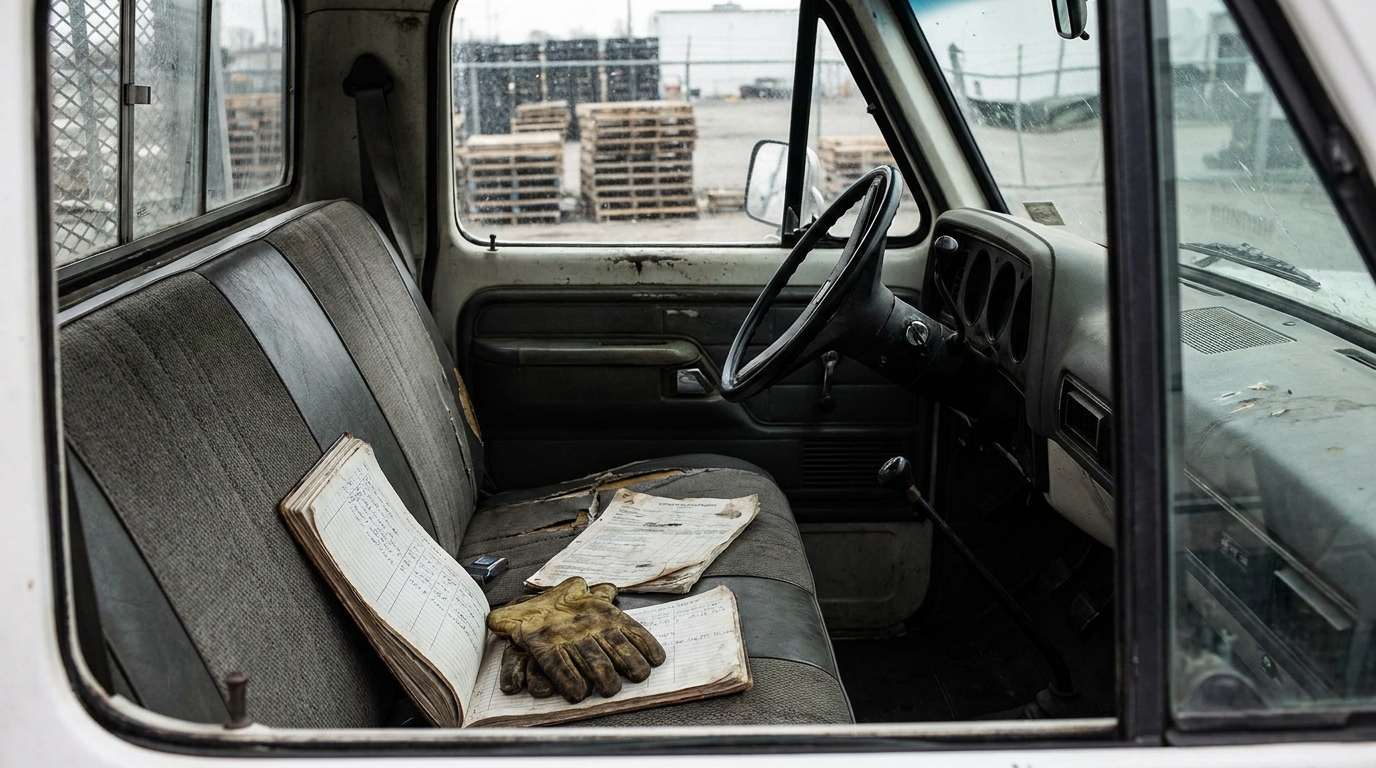
Do Truck Drivers Get Fired for Accidents Under New York and Federal Rules?
There is no single law in New York that automatically requires a trucking company to fire a driver after an accident. Employment decisions generally rest with the carrier, though federal regulations create circumstances where a driver may be disqualified from operating a commercial motor vehicle (CMV), which can effectively end their employment.
Under federal regulation §383.51, certain offenses lead to mandatory CDL disqualification. Leaving the scene of an accident involving a CMV is a disqualifying offense. Additionally, multiple serious traffic violations trigger escalating disqualification periods. A conviction for a disqualifying offense automatically disqualifies the driver for the specified period; motor carriers have no authority to impose or remove the disqualification under FMCSA regulations.
Separately, FMCSA §391.15 addresses driver disqualification based on specific offenses committed during on-duty time. For a felony conviction to be disqualifying under §391.15, the offense must have occurred during on-duty time, and the driver must have been employed by a motor carrier or engaged in activities in furtherance of a commercial enterprise.
💡 Pro Tip: Even if a truck driver is not fired or disqualified, you may still have a strong injury claim. A driver’s continued employment does not shield the trucking company from civil liability.
How Trucking Company Negligence Affects Your Injury Claim
For accident victims, the critical question is not whether the driver was fired but whether the trucking company can be held liable. Under the legal doctrine of respondeat superior, an employer can be held responsible for the negligent actions of its employees when those actions occur within the scope of employment. This means a trucking company may owe you compensation even if it did not directly cause the crash.
Vicarious liability under respondeat superior does not require proving fault on the employer’s part. As long as the trucking company controlled the driver and the driver was acting within the scope of their duties, the company may bear financial responsibility for your damages. However, you must still prove the driver was negligent. You can learn more about vicarious liability and how courts apply this doctrine.
Trucking company negligence can also arise independently of the driver’s conduct. Common examples include failing to properly maintain vehicles, pressuring drivers to violate hours-of-service rules, or hiring drivers with disqualifying records. These independent acts of negligence can strengthen your truck accident claim in New York.
💡 Pro Tip: Request a copy of the police report and preserve scene evidence as soon as possible. Trucking companies often begin investigating immediately, making early evidence preservation critical.
New York’s Comparative Negligence Standard and What It Means for You
New York follows a pure comparative negligence standard, which is favorable to injured plaintiffs. Under this framework, you can recover damages even if you were partially at fault for the accident. Your compensation is reduced by your percentage of responsibility. For instance, if a jury finds you 20 percent at fault and your total damages equal $500,000, you could still recover $400,000.
This rule is especially important in truck accident cases where the defense may try to shift blame onto you. Insurance companies and trucking firms frequently argue that the injured person contributed to the crash. New York’s comparative negligence framework ensures that partial fault does not eliminate your right to compensation. Negligence actions in New York are governed by the state’s Civil Practice Law and Rules (CPLR) and may be filed in the New York Supreme Court.
💡 Pro Tip: Do not accept blame or provide recorded statements to the trucking company’s insurance adjuster without first speaking to an attorney. Anything you say may be used to increase your percentage of fault.
Critical Deadlines: The Statute of Limitations for Truck Accident Claims
Under New York CPLR § 214(5), you generally have three years from the date of the accident to file a personal injury lawsuit. This deadline applies to most truck accident injury claims in New York. Missing the filing deadline can permanently bar your case, regardless of how strong the evidence may be.
Claims Against Government Entities
If a government-owned truck was involved in the collision, the timeline is significantly shorter. You must file a Notice of Claim within 90 days of the accident, and the lawsuit itself must be commenced within one year and 90 days. Courts interpret these requirements strictly, and failure to comply generally results in losing the right to pursue the claim.
When the Driver Was At Fault: Your Legal Options
When a truck driver is at fault in NYC, victims may pursue claims against both the driver and the trucking company. Your truck accident claim in New York can seek compensation for medical expenses, lost wages, pain and suffering, and other losses. Respondeat superior liability often means the trucking company’s insurance is the primary source of recovery, which is significant because commercial policies carry much higher limits than personal auto coverage.
| Claim Type | Filing Deadline | Key Requirement |
|---|---|---|
| Personal injury (private party) | 3 years from accident date (CPLR § 214(5)) | File lawsuit in court before deadline |
| Personal injury (government entity) | 1 year and 90 days | Notice of Claim within 90 days |
| Property damage (private party) | 3 years from accident date | Proof of damage and liability |
New York Insurance Requirements and Why They Matter After a Crash
New York State mandates that all drivers carry minimum liability insurance coverage. The required minimums are $10,000 for property damage per accident, $25,000 for bodily injury to one person, and $50,000 for bodily injury to all persons in any one accident, commonly expressed as 25/50/10. Drivers who fail to maintain this coverage face suspension of both their vehicle registration and driver license.
Commercial trucks, however, are typically required to carry far higher coverage limits under federal law. This is important for accident victims because it means there may be substantially more insurance available to cover serious injuries. Understanding the insurance landscape helps you gauge the potential value of your claim.
💡 Pro Tip: Do not assume the truck driver’s personal insurance is the only policy in play. Commercial trucking operations often involve multiple layers of coverage, including policies held by the carrier, vehicle owner, and sometimes a broker or shipper.
What to Do If You Were Injured by a Truck Driver Who Was Later Fired
A truck driver’s termination after an accident does not eliminate or reduce your legal rights as an injury victim. In fact, a firing may suggest that the carrier recognized the driver’s conduct was unacceptable. Whether the driver was fired after a trucking accident or remains employed, your ability to pursue compensation depends on the facts of the crash and applicable law, not on the carrier’s personnel decisions.
Taking prompt action protects your claim. Key steps include:
- Seeking immediate medical attention and documenting all injuries
- Obtaining a copy of the police accident report
- Preserving photographs, dashcam footage, and witness contact information
- Requesting that the trucking company preserve electronic data recorder (EDR) information
- Consulting with an attorney before communicating with the trucking company’s insurer
💡 Pro Tip: EDR data from commercial trucks can reveal critical details like speed, braking patterns, and hours of operation. This data may be overwritten quickly, so acting fast to request its preservation is essential.
Frequently Asked Questions
1. Do truck drivers get fired for accidents even when they are not at fault?
Not necessarily. Trucking companies evaluate multiple factors, including the driver’s record, the circumstances of the crash, and whether any traffic laws or federal regulations were violated. A driver found not at fault may retain their position, though company policies vary.
2. Can I sue the trucking company if the driver was fired?
Yes. A driver’s termination does not release the trucking company from civil liability. Under respondeat superior, the company may still be held responsible for damages caused by its driver while operating within the scope of employment.
3. How long do I have to file a truck accident lawsuit in New York?
Under CPLR § 214(5), you generally have three years from the date of the accident to file a personal injury claim. However, claims against government entities require a Notice of Claim within 90 days and a lawsuit within one year and 90 days.
4. What if I was partially at fault for the truck accident?
New York’s pure comparative negligence rule allows you to recover damages even if you share some fault. Your award will be reduced by your percentage of responsibility, but you are not barred from recovery.
5. What types of compensation can I pursue after a truck accident in New York?
Injured victims may seek compensation for medical bills, lost income, diminished earning capacity, pain and suffering, and other economic and non-economic losses. The specific damages available depend on the facts of your case and the severity of your injuries.
Protecting Your Rights After a New York Truck Accident
Whether or not the truck driver involved in your accident was fired, your right to pursue compensation remains intact. New York law provides injured individuals with meaningful protections, from the pure comparative negligence standard to the respondeat superior doctrine that holds trucking companies accountable. The key is acting within the applicable deadlines and building a strong evidentiary foundation for your claim.
If you were seriously injured in a truck collision in New York, Pianko Law is ready to help you understand your legal options. Call (646) 801-9675 or contact us today to schedule a consultation.