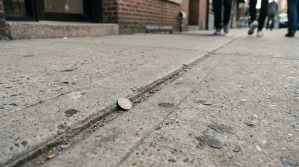
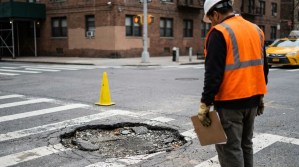
If you slipped, tripped, or fell on a broken or icy sidewalk in New York City, you may have more legal protection than you realize. NYC Administrative Code § 7-210 shifted sidewalk maintenance responsibility from the City directly onto property owners, creating a powerful tool for injured pedestrians seeking compensation. Before this law, abutting landowners had no duty to maintain public sidewalks unless they personally created the dangerous condition or derived special use from it. Today, the statute places an affirmative obligation on most property owners to keep their sidewalks reasonably safe, and failure to do so can result in liability for your injuries.
If you were hurt in a sidewalk fall and need guidance, Pianko Law can help. Call (646) 801-9675 or reach out online to discuss your situation.
How NYC Admin Code § 7-210 Changed Sidewalk Liability in New York
Before § 7-210 was enacted, the City of New York generally bore responsibility for public sidewalk conditions. Injured pedestrians had to prove the city knew about the defect or that the property owner personally caused the hazard or derived special use from the sidewalk, making compensation difficult to recover.
The enactment of § 7-210 fundamentally changed property owner liability. Under § 7-210(a), owners of real property abutting any sidewalk, including intersection quadrants for corner properties, must maintain such sidewalks in a reasonably safe condition. Property owners can now be held liable for dangerous sidewalk conditions even without affirmative acts creating the hazard.

What Conditions Does § 7-210 Cover?
The statute defines unsafe sidewalk conditions broadly, giving injured pedestrians meaningful grounds for claims. Under § 7-210(b), failure to maintain a sidewalk in a reasonably safe condition includes the negligent failure to install, construct, reconstruct, repave, repair, or replace defective sidewalk flags and the negligent failure to remove snow, ice, dirt, or other material from the sidewalk. Cracked pavement, uneven flags, ice buildup, and debris accumulation may all form the basis of a New York slip fall claim.
Property owners are liable for personal injury, property damage, or death proximately caused by their failure to maintain the abutting sidewalk. If you demonstrate that a property owner neglected a known or discoverable defect, you may have a strong case for compensation under premises liability in New York.
💡 Pro Tip: Photograph the exact sidewalk defect that caused your fall immediately. Time-stamped photos of cracked flags, ice patches, or debris serve as critical evidence that the condition existed when you were injured.
The Residential Exemption: When the City Remains Responsible
Who Qualifies for the Exemption Under § 7-210?
Not every property owner is subject to § 7-210’s liability shift. The statute contains an important carve-out: the liability provisions of § 7-210(b) do not apply to one-, two-, or three-family residential real property that is owner-occupied and used exclusively for residential purposes. Under § 7-210(c), the City retains liability for sidewalks abutting those exempt properties. If you fell on a sidewalk in front of a small owner-occupied home meeting both conditions, your claim may need to be directed against the City.
How the Exemption Plays Out in Practice
Even when the exemption applies, factual circumstances can complicate matters. If an otherwise exempt property owner derives special use from the sidewalk, such as a driveway accessing a private garage, liability questions may still arise under common-law principles. The exemption is not always a simple determination, and the specific facts of your fall matter significantly.
💡 Pro Tip: If you fell near a residential property, note whether the sidewalk area involved a driveway, cellar door, or any feature the property owner used for private purposes. These details can affect which party is legally responsible for your injuries.
Filing Deadlines Every Slip and Fall Victim Must Know
Statute of Limitations for Personal Injury
New York’s statute of limitations for personal injury cases, including slip and fall claims, is generally three years from the date of injury. Courts interpret exceptions narrowly, and missing the filing window may permanently bar your case. While tolling provisions may apply in limited circumstances, don’t assume any extension applies without consulting an attorney.
Claims Against the City of New York
If your claim involves the City, such as when the residential exemption applies, the timeline is significantly shorter. Under New York General Municipal Law § 50-e, you must serve a Notice of Claim on the relevant agency within 90 days of the incident. You must then bring the lawsuit within one year and 90 days from the incident date. After the Notice of Claim is served, a mandatory 30-day waiting period must pass before commencing the lawsuit, during which the government entity may investigate or request an examination under oath.
| Defendant Type | Filing Deadline | Special Requirement |
|---|---|---|
| Private property owner | 3 years from date of injury | Standard civil lawsuit |
| City of New York / government agency | 1 year and 90 days from date of injury | Notice of Claim must be served within 90 days of the incident |
💡 Pro Tip: Even with three years for claims against private property owners, acting quickly preserves evidence. Surveillance footage gets deleted, witnesses forget details, and sidewalk conditions change with repairs.
How a Slip and Fall Lawyer in New York Can Strengthen Your Claim
Building a successful sidewalk injury case requires more than showing you fell. You must establish that the property owner had a duty to maintain the sidewalk, breached that duty through negligent maintenance, and that this breach proximately caused your injuries. Under § 7-210, the duty element is established by statute for most abutting property owners, but proving notice, causation, and damages still requires careful evidence gathering.
Key steps to protect your claim include:
- Seeking prompt medical attention, even if symptoms seem minor
- Documenting the scene with photographs and noting the exact location
- Collecting witness contact information
- Requesting maintenance logs or surveillance footage before they are lost
- Reporting the incident to the property owner or manager in writing
An experienced slip and fall attorney in NYC can investigate the property’s maintenance history, identify the responsible party, and handle insurance negotiations on your behalf.
Understanding Your Rights Under NYC Sidewalk Obligations
NYC Administrative Code § 19-152 complements § 7-210 by defining property owner duties regarding sidewalks and lots. The NYC DOT sidewalk rules outline a formal claim process under § 19-152.2 and an appeal process under § 19-152.3. These administrative processes are separate from civil lawsuits but reflect the broader regulatory framework governing sidewalk maintenance in New York City.
Understanding these overlapping obligations helps identify all possible avenues for your claim. DOT violations or repair orders issued to a property owner may serve as evidence of notice in a subsequent personal injury case. If you’re unsure whether your fall involved a property governed by § 7-210 or a City-maintained sidewalk, learning more about NYC sidewalk protections can clarify your rights.
💡 Pro Tip: Check whether the City issued any sidewalk violation notices to the property where you fell. Prior violations can strengthen your argument that the owner had constructive notice of the dangerous condition.
What to Do if a Property Owner or Insurer Blames You
Insurance companies frequently argue that the injured person was partially at fault. New York follows a pure comparative fault rule under CPLR § 1411, which means your compensation may be reduced by your percentage of responsibility, but it doesn’t eliminate your claim entirely. Insurers may point to your footwear, walking path, or allege you were distracted. These defenses are common but don’t automatically defeat a valid claim under § 7-210.
Don’t let an insurer’s early denial discourage you from pursuing your slip fall legal rights in NYC. A property owner’s statutory duty to maintain the sidewalk exists regardless of whether you were walking carefully. The facts of each case determine how fault is allocated.
💡 Pro Tip: Avoid giving recorded statements to the property owner’s insurance company before speaking with a lawyer. Early statements can be taken out of context and used to reduce or deny your claim.
Frequently Asked Questions
1. Does NYC Admin Code § 7-210 apply to all property owners in New York City?
The statute applies to most property owners abutting a public sidewalk. However, one-, two-, or three-family residential properties that are owner-occupied and used exclusively for residential purposes are exempt. In those cases, the City generally retains responsibility for sidewalk maintenance liability.
2. How long do I have to file a slip and fall lawsuit in New York?
The statute of limitations for personal injury claims in New York is generally three years from the date of injury. If a government entity is responsible, you must serve a Notice of Claim within 90 days and bring the lawsuit within one year and 90 days. Courts interpret deadline extensions narrowly, so timely action is critical.
3. What if I slipped on ice or snow on a New York City sidewalk?
Under § 7-210(b), a property owner’s failure to remove snow, ice, dirt, or other material from the sidewalk constitutes failure to maintain a reasonably safe condition. You may have grounds for a claim against the abutting property owner, subject to applicable exceptions such as the residential exemption and New York’s storm-in-progress doctrine.
4. Can I still recover compensation if I was partially at fault for my fall?
New York’s pure comparative fault system allows you to recover damages even if you share some responsibility. Your total compensation may be reduced proportionally based on your assigned percentage of fault, but partial fault alone doesn’t bar your claim.
5. What evidence should I gather after a sidewalk fall in NYC?
Document the scene with photos, note the exact location and time, get witness contact information, and seek prompt medical attention. Maintenance records, prior DOT violations, and surveillance footage from nearby businesses can also support your New York City fall accident claim.
Protecting Your Rights After a Sidewalk Fall in New York
NYC Administrative Code § 7-210 provides a meaningful legal framework for pedestrians injured by negligently maintained sidewalks in New York City. The statute places an affirmative duty on most abutting property owners to keep sidewalks safe and holds them liable when they fail to do so. However, navigating exemptions, filing deadlines, and insurance defenses requires a careful, fact-specific approach. Whether you fell on a cracked sidewalk flag in Brooklyn or an icy stretch in the Bronx, understanding your rights under this law is the first step toward fair compensation.
If you or a loved one suffered injuries in a sidewalk slip and fall, Pianko Law is ready to help you evaluate your claim. Call (646) 801-9675 or contact us today to schedule a consultation.