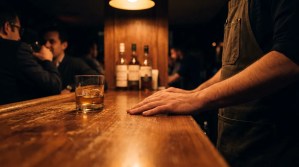
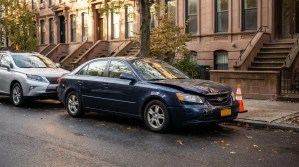
When a Bar’s Last Pour Becomes Your Injury Claim
Key Takeaways: New York’s Dram Shop Law, General Obligations Law § 11-101, allows people injured by an intoxicated person to sue a commercial establishment that unlawfully sold that person alcohol, typically a sale to someone under 21 or visibly intoxicated. Courts describe it as a statutory cause of action rather than ordinary negligence, so plaintiffs generally need not prove common-law duty or foreseeability, though the statute requires an unlawful sale, resulting intoxication, and a causal connection to the injury. The hardest element is often proving visible intoxication, which depends on surveillance video, bar tabs, timestamps, and server or eyewitness accounts that can disappear quickly. For crash victims facing an underinsured drunk driver, this claim may open a second potential source of recovery, making prompt medical care, evidence preservation, and early counsel important.
New York’s Dram Shop Act, codified at General Obligations Law § 11-101, allows people injured by an intoxicated person to sue a commercial establishment that unlawfully sold that person alcohol. An unlawful sale generally occurs when a merchant, restaurant, or bar sells alcohol to someone under 21 or to someone visibly intoxicated at the time of sale. For a crash victim in the Bronx, Brooklyn, or Queens facing an underinsured drunk driver, this statute can potentially open a second, better-funded source of recovery.
If a drunk driver hurt you or someone in your family, the bar that overserved that driver may share responsibility under New York law. The team at Pianko Law is respected for handling serious injury claims involving impaired drivers and third-party liability. Call (646) 801-9675 or contact us now for a confidential case review.
The Statutory Foundation of New York Dram Shop Law 11-101
New York’s civil remedy against alcohol sellers rests on statute, not common law negligence. The state enacted an early Dram Shop Act in 1873, during a period when roughly half the states passed Civil Damage Acts associated with the temperance movement, aimed at discouraging unlawful liquor sales by making sellers answerable for resulting harm.
The original legislative purpose was social, not merely compensatory. Legal historians describe the act’s aim as addressing harms associated with excessive drinking, including impoverishment of families, injuries to others, and public burdens. That history of New York’s Dram Shop Act helps explain why the modern statute functions differently from an ordinary negligence claim.
Today, the statute primarily compensates third parties. General Obligations Law § 11-101 focuses on providing compensation to those injured in person, property, or means of support by an intoxicated person, rather than compensating the intoxicated purchaser. In practice, the injured pedestrian, passenger, or other driver is typically the intended beneficiary.
Why This Is a Strict Liability Tort, Not Negligence
Recovery under the Dram Shop Act is based on violation of a statutory prohibition rather than common-law fault. Courts sometimes describe the claim as imposing liability without regard to ordinary negligence, but limits exist: the plaintiff must still prove an unlawful sale and causal connection, and for adult patrons, that the buyer was visibly intoxicated at the time of sale. Section 11-101 is generally read with Alcoholic Beverage Control Law § 65, which prohibits selling or delivering alcohol to anyone under 21, to a visibly intoxicated person, or to a habitual drunkard known to be such.
What a Plaintiff Must Establish
A dram shop statute NY claim turns on defined elements rather than a general reasonableness standard. Courts describe the plaintiff’s burden as showing the vendor unlawfully sold alcohol, that intoxication resulted at least in part from that sale, and that a reasonable or practical connection existed between the sale and the plaintiff’s injury.
Generally, a viable claim includes:
- Injury caused by a person who was intoxicated
- An unlawful commercial sale of alcohol to that intoxicated person
- Proof that the sale caused or contributed to the person’s intoxication
- Damages tied to the resulting incident
These elements sound simple, but each is fact-dependent. Whether a particular pour qualifies as an unlawful sale may depend on server testimony, receipts, timing, and the drinker’s observable condition. Outcomes vary with the evidence, and no two alcohol liability New York cases develop identically.
The Hardest Element: Proving Visible Intoxication
One of the more difficult aspects of proof in dram shop cases is often the visible intoxication requirement. Intoxication is not always outwardly apparent, and courts recognize that a person may be intoxicated without displaying obvious signs at the time of sale. That evidentiary gap is where many otherwise strong claims are contested.
Evidence That Often Matters
Building this element usually depends on contemporaneous proof rather than after-the-fact opinion. Surveillance video, itemized bar tabs, credit card timestamps, server and bartender statements, and eyewitness accounts of slurred speech or unsteady walking can all bear on the question. Courts have generally held that blood alcohol evidence alone does not establish visible intoxication, so toxicology results from the criminal case may support the picture but rarely suffice on their own.
💡 Pro Tip: Surveillance footage at bars and restaurants is frequently overwritten within days or weeks. A prompt written preservation demand from counsel can be the difference between provable and unprovable visible intoxication.
How Liability Plays Out in Real Situations
Illustrations help clarify when bar liability NYC claims may attach. If a restaurant serves an underage patron without checking identification and that patron then drives into a storefront, the restaurant may potentially be liable under the dram shop act. Likewise, if a bartender keeps serving a customer who is visibly staggering and slurring, and that customer then crashes, the bar may face liability as well.
Not every drink before a crash creates a claim. Social hosts are generally treated differently from licensed vendors, and New York’s separate statute, General Obligations Law § 11-100, addresses furnishing alcohol to persons under 21 even without a sale. The unlawful sale must also have caused or contributed to the intoxication. Understanding the real cost of drunk driving helps injured people see why pursuing every potentially responsible party matters when medical bills mount.
| Claim Type | Legal Basis | Core Question |
|---|---|---|
| Negligence claim against driver | Common law duty of care | Did the driver breach a duty of reasonable care? |
| Dram shop claim under GOL § 11-101 | Statutory violation | Was there an unlawful sale to an underage or visibly intoxicated person? |
| ABC Law regulatory action | ABC Law §§ 65, 123 | Should the license be sanctioned or the activity enjoined? |
The Broader Regulatory Framework Behind Alcohol Sales
Civil dram shop liability sits inside a larger licensing scheme. Alcoholic Beverage Control Law § 123(a) addresses persons who traffic in liquor, wine, or beer without the appropriate license or otherwise unlawfully, allowing the liquor authority or a taxpayer to seek an order enjoining such activity. That statute on unlicensed liquor trafficking is regulatory and does not itself create a damages remedy; the civil remedy for an injured person generally lives in General Obligations Law § 11-101.
Practical Steps After a Crash Involving an Impaired Driver
What you do in the first weeks often shapes what can be proven later. Seek medical care immediately and follow through with treatment, because gaps in records are a common defense argument. Preserve receipts, photographs, and the names of every witness, including anyone who saw the driver at a bar or restaurant beforehand.
Working With Counsel Early
A nyc dram shop attorney can investigate the alcohol trail while evidence still exists. Identifying which establishments served the driver, obtaining licensing records, and issuing preservation letters generally requires prompt action. If you are researching how to build a new york dram shop law 11-101 lawyer claim after a serious collision, remember that civil deadlines under New York’s statutes of limitations are generally strict, different limitations periods may apply to the dram shop claim and to claims against the driver, and any claim involving a governmental entity may carry separate and much shorter notice of claim requirements.
Frequently Asked Questions
1. Can I sue a bar if the drunk driver who hit me had no insurance?
Potentially, yes. A dram shop claim against a licensed establishment is separate from the claim against the driver and may provide an additional avenue of recovery. Whether it succeeds depends on proof of an unlawful sale and its causal connection to the intoxication.
2. Does the driver need to be convicted of DWI first?
No. A criminal conviction is not an element of a claim under General Obligations Law § 11-101. Criminal and administrative proceedings run separately from your civil case, though evidence developed in them may be useful.
3. What if the driver did not appear drunk at the bar?
That fact can be a significant obstacle, because liability for service to an adult requires proof of visible intoxication at the time of sale. If the driver was under 21, however, the unlawful sale may rest on age rather than visible intoxication.
4. Can the intoxicated person sue the bar that served them?
Generally no. New York courts have long held that the person whose voluntary intoxication caused the harm cannot recover under the act, which is aimed at compensating others injured by that intoxication.
5. How quickly should I contact an attorney?
As soon as reasonably possible. Video, bar records, and witness memories degrade quickly, and early investigation can often be decisive in a drunk driving lawsuit New York victims bring against a vendor.
Holding Every Responsible Party Accountable
New York’s dram shop framework reflects a legislative judgment made over 150 years ago that businesses profiting from alcohol sales should answer when unlawful service leads to harm. For someone injured by a drunk driver in NYC, a claim under the new york dram shop law 11-101 may add a meaningful source of compensation beyond a driver’s limited policy. Because these cases often turn on visible intoxication, timing, and preserved records, the strength of any new york alcohol injury claim depends heavily on the specific facts and on how quickly the investigation begins.
You do not have to sort out which parties are responsible on your own. Reach out to Pianko Law to discuss your options, call (646) 801-9675, or schedule your free consultation today.
Disclaimer: This content is for informational purposes only and is not legal advice. Every case is unique, and results may vary. Consult an attorney about your specific circumstances.