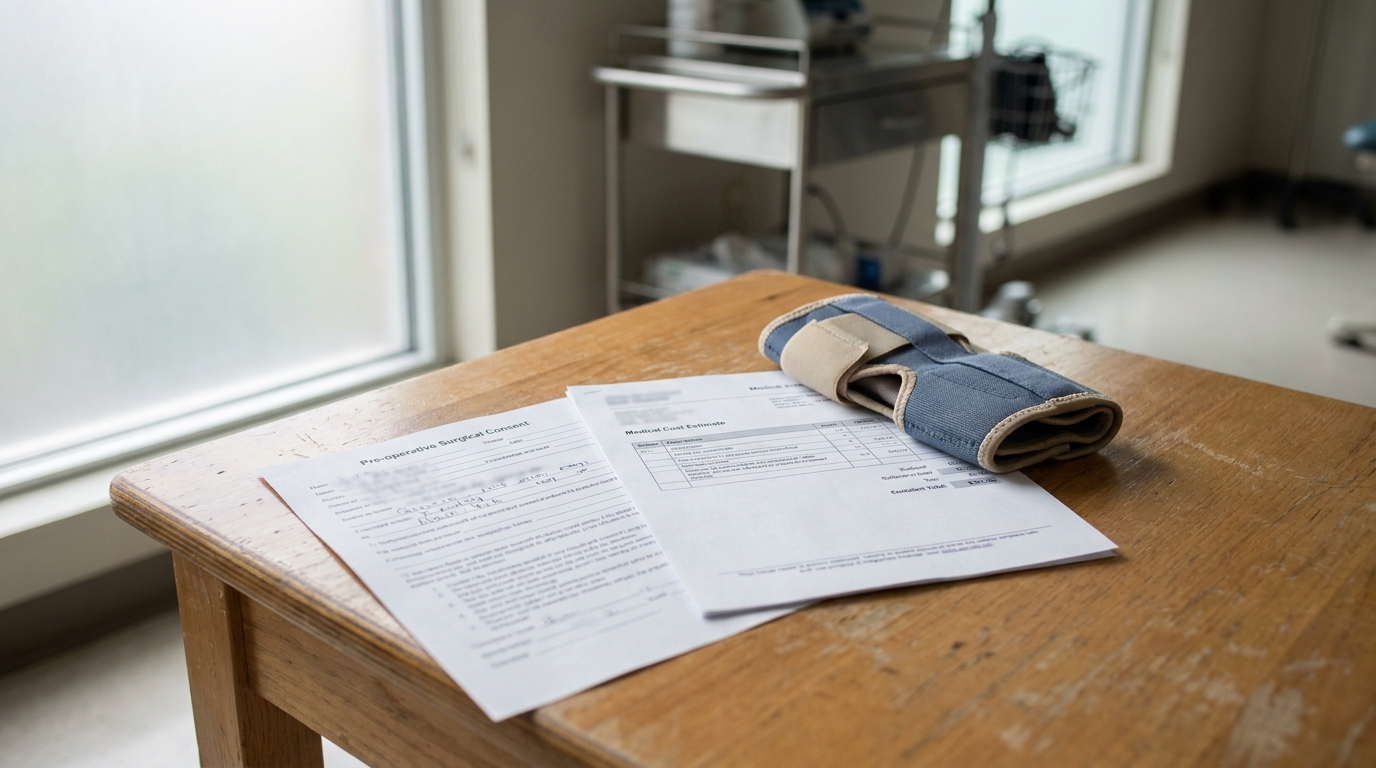
Understanding Future Surgery Costs After a NYC Fall
Key Takeaways: Yes, a slip and fall settlement in NYC can include future surgery costs when properly documented and medically supported. New York law recognizes anticipated medical expenses as compensable damages. Settlement value includes economic damages (future surgery, rehabilitation, lost wages) and non-economic damages (pain and suffering). To recover, you must prove the owner’s duty, notice of the hazard, and causation. New York’s pure comparative negligence system reduces recovery proportionally but doesn’t eliminate it. Strict deadlines apply: three years for private property and a 90-day Notice of Claim for government property. Strong medical evidence, prompt evaluation, and timely action are essential to securing future surgery costs.
Yes, a slip and fall settlement in New York City can include the cost of future surgery when properly documented and medically supported. Many injured New Yorkers assume settlements only cover bills already received, but the law recognizes that serious falls often require procedures months or years later. If you slipped, tripped, or fell on someone else’s property, anticipated surgical costs may form a significant part of your recovery.
If you are weighing a claim for future medical care, the team at Pianko Law is ready to listen. Call us at (646) 801-9675 or reach out through our secure online contact form to discuss your next steps.
How New York Law Treats Future Medical Damages
New York treats anticipated medical expenses as a recognized category of recovery, not a speculative afterthought. Future surgery, follow-up care, and ongoing therapy can all be part of a damages claim when supported by credible medical proof. The challenge is evidentiary: claimants must show, through treating physicians and medical records, that the procedure is reasonably likely to be needed because of the fall.
Insurers rarely volunteer money for care that hasn’t happened yet. Building a record early often makes the difference between a settlement that accounts for future needs and one that stops at current receipts.
💡 Pro Tip: Keep a personal symptom journal after your fall. Contemporaneous notes about pain, mobility, and missed activities can support a future surgery slip and fall case in NYC when memories later fade.
Basic Economic Loss and No-Fault Coverage
New York Insurance Law § 5102(a)(1) defines "basic economic loss" as reaching up to $50,000 per person and expressly includes surgical, hospital, nursing, x-ray, prescription drug, prosthetic, physical therapy, and rehabilitation services. This no-fault provision primarily applies to motor vehicle injuries, not typical premises-based slip and falls. Still, it illustrates how New York recognizes future medical expenses, including surgery, as compensable when ascertainable within one year of the accident. Review the full statute through the New York State Senate’s Insurance Law Section 5102.
This one-year concept is practical reason to seek prompt medical evaluation. A diagnosis anticipating future intervention, made early, helps establish that the surgery flows from the original injury.
Periodic Payment of Future Damages
New York Civil Practice Law and Rules § 5045 reflects that future medical damages are a recognized category that may be paid in periodic installments rather than a lump sum in certain judgments. The statute provides that liability for installments covering future health care costs terminates upon the judgment creditor’s death. This framework signals that anticipated surgical procedures are legitimate components of judgments or settlements, though structured-payment rules apply mainly to litigated judgments.
What Goes Into Slip and Fall Settlements With Surgery New York City
The value of slip and fall settlements with surgery New York City claims generally rests on two damage categories: economic and non-economic losses. Each requires its own proof, and future surgery typically sits within the economic category.
| Damage Type | Common Examples | Future Surgery Relevance |
|---|---|---|
| Economic | Medical bills, future medical care, lost wages, lost earning capacity | Anticipated surgical and rehabilitation costs fall here |
| Non-Economic | Pain, suffering, emotional distress, loss of enjoyment of life | Intangible harm tied to a surgery and recovery |
Economic vs. Non-Economic Damages
Economic damages include medical expenses for treatment, surgeries, physical therapy, and future medical care necessary as a result of the injury. They may also include lost wages and future earning potential when an injury causes long-term disability. Documentation such as bills, records, and physician opinions drives their value.
Non-economic damages address intangible losses, such as pain and suffering, emotional distress, and loss of enjoyment of life. These are harder to quantify and often depend on how an injury affects daily living. A documented future surgery can influence this category too, since an upcoming procedure may extend the period of pain and limitation.
A deeper look at the variables involved appears in our guide on the factors that shape your settlement.
💡 Pro Tip: Ask your treating physician to document, in writing, whether future surgery is anticipated and why. A clear medical narrative often carries more weight with adjusters than a verbal estimate.
Proving Your Claim and Anticipating Insurer Defenses
To recover in a premises case, you generally must show the property owner owed a duty of care, knew or should have known about the hazard, and that the hazard caused your injury. On summary judgment motions, property owners must establish they neither created the hazardous condition nor had actual or constructive notice of it.
Preserving evidence early gives your NYC slip and fall surgery compensation claim a stronger foundation against common defenses.
Useful evidence often includes:
- Photographs of the hazard and surrounding scene
- Names and statements from witnesses
- Incident reports, cleaning logs, or camera footage
- Complete medical records connecting the fall to your injuries
Comparative negligence is one defense you should understand before negotiating. New York follows a "pure" comparative negligence standard, which reduces a plaintiff’s recovery in proportion to their fault. Review the doctrine through Cornell Law School’s explanation of comparative negligence principles.
Under that pure system, even a plaintiff found primarily at fault may still recover a reduced amount. New York is among the minority of states allowing recovery even when plaintiffs are primarily responsible for their injuries. Still, any fault attributed to you, such as ignoring a warning sign, can proportionally lower your total award, including the future surgery component.
💡 Pro Tip: Avoid giving a recorded statement to an insurer before speaking with counsel. Casual remarks about how a fall happened can later be reframed to support a comparative-fault argument.
Deadlines That Protect Your Right to Recover
Timing rules can quietly end an otherwise strong claim. For slip and falls on privately owned property in New York, you generally have three years from the accident to file a lawsuit. Courts interpret exceptions narrowly, and tolling or delayed-discovery arguments apply only in limited circumstances.
Claims against government entities follow a separate and much shorter administrative track. When a fall occurs on city or government property, a Notice of Claim generally must be filed within 90 days of the accident, and a lawsuit must follow within one year and 90 days. Missing this deadline can bar recovery regardless of injury severity, absent court leave to file late.
If you’re researching whether you have a viable case, our overview for any New York slip and fall lawyer inquiry walks through core elements in plain language.
💡 Pro Tip: Calendar your deadlines as soon as possible after a fall, and treat a government-property injury as urgent. The 90-day Notice of Claim window can pass before many people finish their initial medical treatment.
Frequently Asked Questions
-
Can I include surgery I have not had yet in my settlement?
Generally, yes. Future surgery may be recoverable as economic damages when medical evidence shows the procedure is reasonably likely to be needed because of the fall. -
What if I was partly responsible for my fall?
Under New York’s pure comparative negligence rule, your recovery is reduced by your percentage of fault rather than eliminated. Even a plaintiff found mostly at fault may recover a reduced amount. -
How long do I have to file a slip and fall claim in NYC?
For private property, the deadline is generally three years from the accident. Government-property claims require a Notice of Claim within 90 days and a lawsuit within one year and 90 days. -
Does an owner’s insurance have to cover my surgical costs?
New York Insurance Law § 1113(a)(13) describes personal injury liability insurance as including medical, hospital, and surgical benefits obligations. Whether and how much applies depends on policy terms and liability facts. -
What evidence best supports a future medical claim?
Detailed treating-physician opinions, complete medical records, and documentation linking the surgery to the fall are typically most persuasive.
Protecting Your Future Medical Recovery
A slip and fall settlement in New York City can account for future surgery costs, but the result depends heavily on documentation, timing, and how well you anticipate insurer defenses. New York law recognizes future surgical and medical expenses as legitimate economic damages. Because every case turns on its own facts, the strength of your medical proof and applicable deadlines will shape what is achievable.
If you are facing a possible surgery after a fall and want to understand your options, Pianko Law is here to help. Connect with our team through the Pianko Law website, call us at (646) 801-9675, or send your details using our confidential case form to get started today.