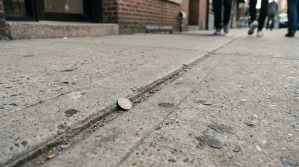
Holding Your Co-Op Board Accountable After a Slip and Fall in Passaic
If you slipped and fell in a common area of your co-op building in Passaic, New Jersey, you may have grounds to pursue a legal claim against your co-op board. In a housing cooperative, residents own shares in a corporation that owns the building rather than individual units. This structure does not shield the co-op board from liability when negligent maintenance causes injuries. New Jersey premises liability law requires property owners and those who control property to maintain safe conditions. When a co-op board fails to address hazards in hallways, stairwells, lobbies, or parking areas, injured residents may seek compensation for medical bills, lost wages, and pain and suffering.
If you or a loved one suffered a fall injury in a Passaic co-op building, Pianko Law can help you understand your options. Call (862) 295-7588 or reach out to our team today to discuss your situation.
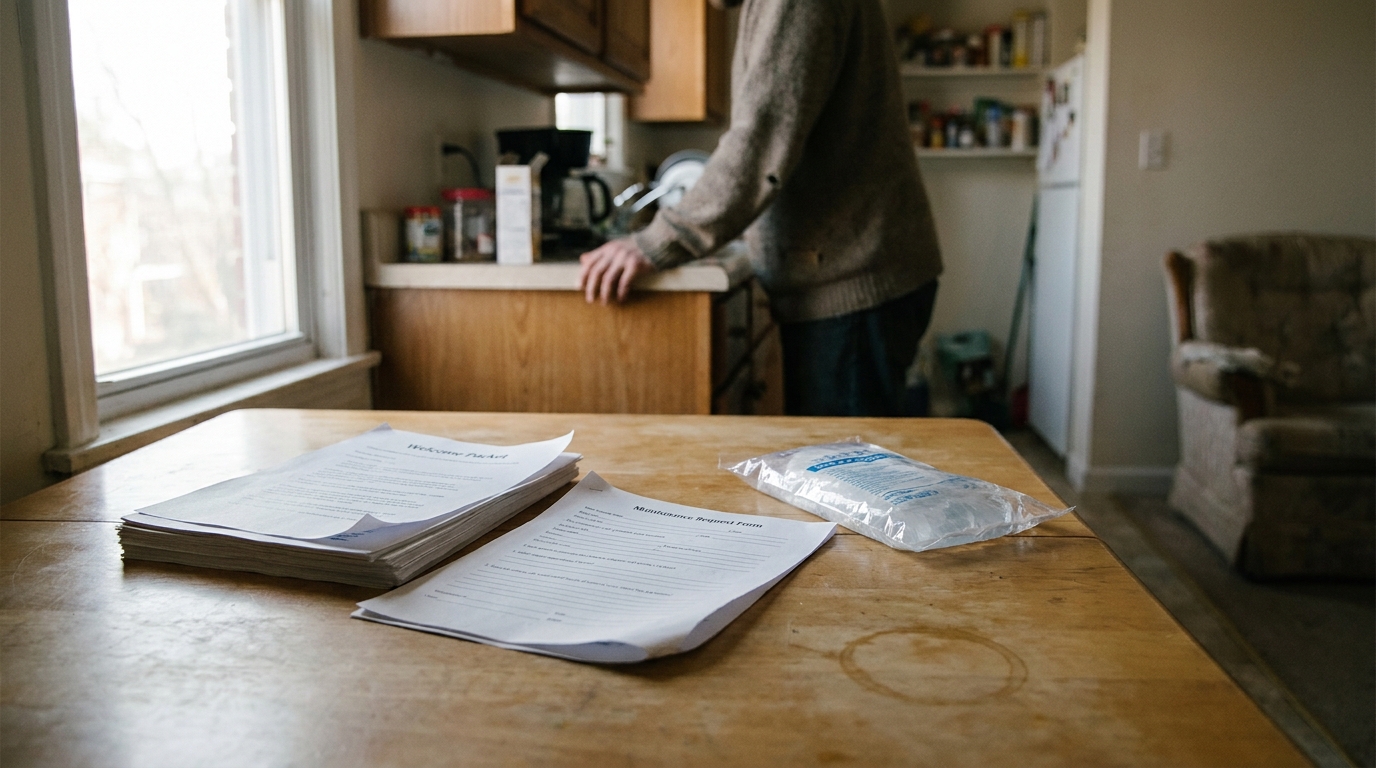
How Co-Op Ownership Structures Affect Slip and Fall Claims
The way a co-op is organized directly impacts who bears responsibility when someone gets hurt on the property. In a co-op, residents own shares in a corporation that owns the property, with usage rights to an individual unit and common areas. The cooperative corporation, governed by its board of directors, retains ownership and control over shared spaces like stairways, courtyards, and entryways.
Because the board makes decisions about building management, maintenance budgets, and repairs, it holds a duty of care toward residents. That control can give rise to liability when a slip and fall in Passaic NJ occurs due to a hazard the board knew about or should have discovered through reasonable inspection.
Why Board Control Matters for Your Claim
To succeed in a premises liability case, you must show that the party controlling the property had actual or constructive notice of the dangerous condition. In a housing cooperative, this means demonstrating that the board or its agents knew about the broken step, icy walkway, or loose railing and failed to fix it within a reasonable time. New Jersey law recognizes that homeowners’ associations, including co-op boards, function as quasi-governments with substantial power over individual homeowners.
💡 Pro Tip: Report any hazard in your co-op’s common area to the board in writing and keep a copy. Written complaints serve as powerful evidence of the board’s actual notice.
Can I Sue My Co-Op Board New York Style in a New Jersey Case?
Many Passaic residents are familiar with co-op litigation in nearby New York City, but New Jersey has its own legal framework governing these claims. While the core concept is similar, statutes, court rules, and procedural requirements differ between states. New Jersey premises liability law provides its own path to hold negligent boards accountable.
New Jersey has moved to strengthen protections for co-op residents through proposed legislation. The Owners’ Rights and Obligations in Shared Ownership Communities Act (S1524) explicitly covers cooperatives alongside condominiums and planned communities, addressing gaps in current statutes regarding fair treatment of cooperative proprietary lease holders.
Key Elements of a Co-Op Negligence Claim in Passaic
Every co-op negligence claim in Passaic requires you to establish several core elements:
- Duty of care: The co-op board owed you a duty to maintain common areas in a reasonably safe condition.
- Breach: The board failed to meet that duty by ignoring, neglecting, or inadequately addressing a known hazard.
- Causation: The board’s failure directly caused your fall and resulting injuries.
- Damages: You suffered actual harm, such as medical expenses, lost income, or diminished quality of life.
If any element cannot be supported by evidence, the claim may face challenges. Outcomes in premises liability cases are highly fact-dependent.
💡 Pro Tip: Photograph the exact location where you fell immediately, including any hazard like water, debris, broken tiles, or poor lighting. Time-stamped photos become critical evidence.
The Dangers of Falls in Co-Op Buildings
Falls rank among the most serious injury events in the United States. About 3 million emergency department visits result from older adult falls annually, and falls are the leading cause of both fatal and non-fatal injuries among older adults. Fourteen million Americans age 65 and older fall annually, making this a widespread public health concern directly relevant to premises liability.
Co-op buildings in Passaic often contain environmental hazards that cause these falls. The CDC identifies risk factors including broken or uneven steps, throw rugs, and clutter. When these conditions exist in co-op common areas, the board’s failure to address them can form the basis of a negligence claim. Falls are also the most common cause of traumatic brain injuries.
| Common Co-Op Hazard | Typical Location | Potential Injury |
|---|---|---|
| Broken or uneven steps | Stairwells, entryways | Fractures, head injuries |
| Wet or slippery floors | Lobbies, laundry rooms | Back and spinal injuries |
| Poor lighting | Hallways, parking areas | Sprains, soft tissue damage |
| Loose handrails | Staircases | Hip fractures, TBI |
| Cracked pavement | Walkways, courtyards | Knee and ankle injuries |
💡 Pro Tip: If you feel "fine" after falling, see a doctor anyway. Many serious injuries, including concussions and internal bleeding, produce delayed symptoms.
New Jersey’s Statute of Limitations for Slip and Fall Cases
Time is critical in any personal injury case. Under N.J.S.A. 2A:14-2, New Jersey imposes a two-year statute of limitations for personal injury claims, including slip and fall cases. This means you generally have two years from the date of your injury to file a lawsuit, according to the New Jersey Courts.
Missing this deadline can permanently bar your claim, regardless of how strong your evidence may be. While certain tolling provisions may apply in limited circumstances, courts interpret these exceptions narrowly. The safest course is consulting with an attorney as soon as possible after your injury.
💡 Pro Tip: Mark the two-year anniversary of your injury date immediately. Then work backward and aim to have an attorney review your case within weeks of the incident.
What to Do After a Slip and Fall in Your Passaic Co-Op
The steps you take immediately after a fall can make or break your case. Protecting your health and preserving evidence should be your top priorities. Here is what you should consider doing:
- Report the incident to the co-op board or building management in writing.
- Seek medical attention promptly, even if injuries seem minor.
- Photograph the hazard, the surrounding area, and any visible injuries.
- Collect names and contact information from any witnesses.
- Request copies of maintenance logs, inspection records, or security camera footage.
- Keep all medical records, bills, and documentation of missed work.
Evidence can disappear quickly in a housing cooperative setting. Security footage may be overwritten, hazards cleaned up, and witnesses may forget details. Acting promptly gives you the strongest possible foundation for a claim.
Anticipating Defenses From the Co-Op Board
Co-op boards and their insurers often raise defenses designed to reduce or eliminate your recovery. Two common defenses are comparative fault and assumption of risk. Comparative fault argues you were partially responsible for your fall. New Jersey follows a modified comparative negligence standard under N.J.S.A. 2A:15-5.1, meaning your compensation may be reduced by your percentage of fault, and you are barred from recovery if you are found 51 percent or more at fault.
Assumption of risk suggests you knew about the hazard and chose to encounter it anyway. This defense can arise when a condition was open and obvious. However, even obvious hazards may support liability if the co-op board had a duty to remedy them and failed to do so.
💡 Pro Tip: Avoid giving recorded statements to the co-op board’s insurance company without first speaking to an attorney. Insurers may use your words against you.
Frequently Asked Questions
1. Can I sue my co-op board for a slip and fall even though I am a shareholder?
Yes, being a shareholder does not prevent you from filing a claim.
Your ownership of shares in the cooperative corporation is separate from the board’s duty to maintain safe common areas. If the board’s negligence caused your injury, you may pursue a premises liability claim.
2. How long do I have to file a slip and fall lawsuit in Passaic, New Jersey?
You generally have two years from the date of injury.
Under N.J.S.A. 2A:14-2, New Jersey’s statute of limitations for personal injury actions is two years. Courts interpret tolling exceptions narrowly, so consult with a Passaic slip and fall lawyer early.
3. What kind of compensation can I recover in a co-op board lawsuit in NJ?
Damages may include medical expenses, lost wages, and pain and suffering.
The specific amount depends on the severity of your injuries, the extent of your economic losses, and other case-specific factors. In cases involving traumatic brain injuries or long-term disability, damages may be substantial.
4. What if the co-op board says the hazard was obvious?
An obvious hazard does not automatically shield the board from liability.
Even when a condition is visible, the board may still bear responsibility if it had a duty to correct the hazard and failed to do so within a reasonable time. Courts examine the totality of circumstances.
5. Do I need to prove the board knew about the dangerous condition?
You need to show actual or constructive notice.
Actual notice means the board was directly informed of the hazard, such as through a written complaint. Constructive notice means the condition existed long enough that a reasonable property manager should have discovered and corrected it through routine inspections.
Protecting Your Rights After a Co-Op Fall in Passaic
A slip and fall in your co-op building can leave you facing painful injuries, mounting medical bills, and uncertainty about your legal options. New Jersey law provides a pathway for injured residents to hold co-op boards accountable when negligent maintenance of common areas causes harm. The key is acting quickly to preserve evidence, documenting everything, and understanding the legal standards that apply.
If you suffered a fall injury in a co-op building in Passaic, Pianko Law is ready to help you evaluate your claim. Call (862) 295-7588 or contact us now to get started.