When Slip and Fall Injuries Don’t Hurt Right Away
Key Takeaways: Pain that shows up days after a slip and fall is common and medically documented. Adrenaline can mask pain at first, and soft tissue swelling often builds over 24 to 72 hours or longer. In most New York slip and fall cases, though, the legal deadline starts on the date of the fall, not the day your pain begins. That deadline is generally three years for claims against private property owners. Falls on government property usually require a notice of claim within 90 days, and some also require prior written notice of the hazard. Insurers may point to gaps in treatment or claim you were partly at fault. Under New York’s comparative fault rule, your share of fault can reduce your recovery but does not bar it. Prompt medical care, a record of the fall, and saved evidence can help protect both your health and your claim.
Delayed pain after a fall is common, and it does not mean your injury is minor or made up. Many people get up after slipping on a wet floor or icy sidewalk, feel shaken but "fine," and go home. A day or two later, they wake up with a stiff neck, a throbbing back, or a knee that will not bear weight. New York law generally does not give you extra time because your pain appeared late.
If you have delayed pain after a slip, trip, or fall in New York City, you do not have to sort out your options alone. The team at Pianko Law helps injured people in the Bronx, Brooklyn, Queens, and nearby areas understand their rights after a fall on someone else’s property. Call (646) 801-9675 or contact us now to talk about what happened.
Why Injury Symptoms Can Show Up Late
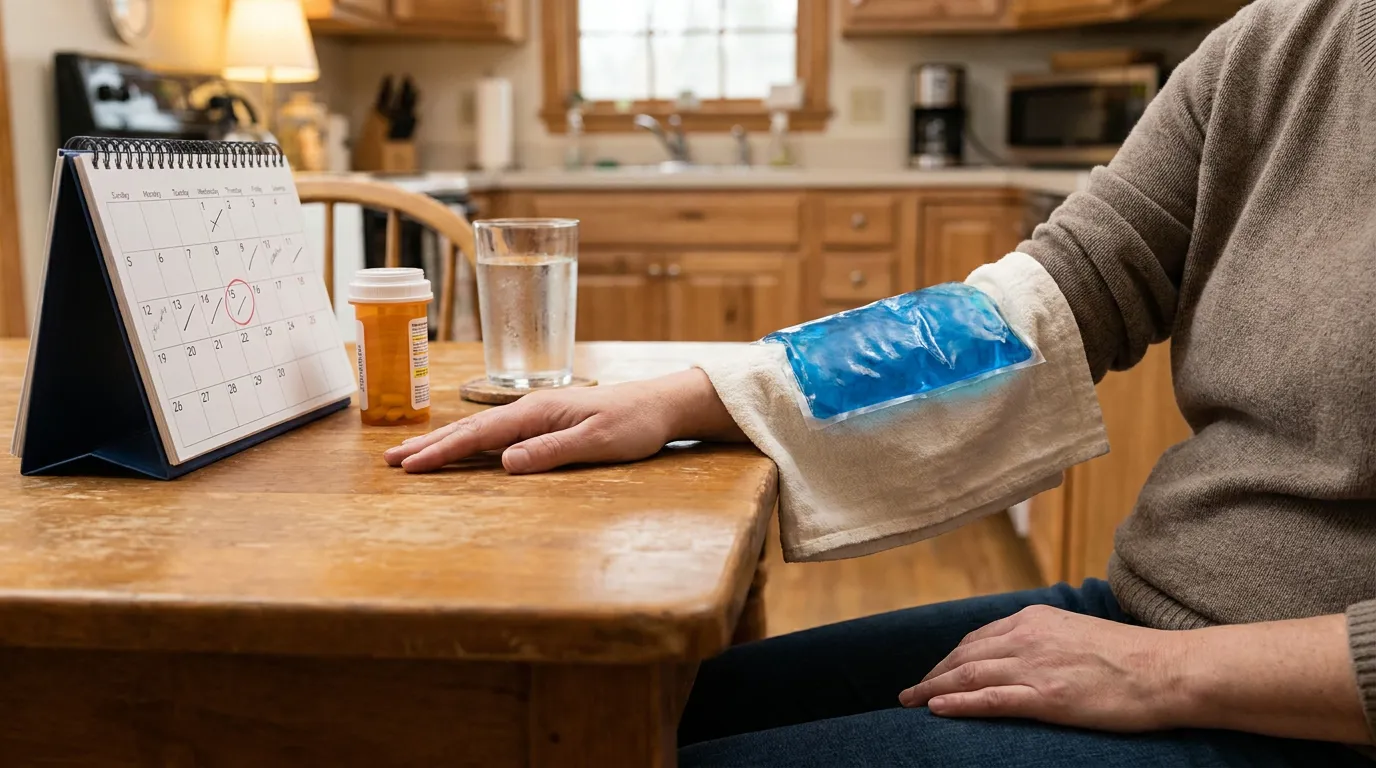
Your body often hides injuries in the first hours after a fall. Stress hormones such as adrenaline can dull pain right after a sudden event, while swelling in damaged soft tissue builds slowly. By the time swelling and stiffness peak, several days may have passed.
Swelling and Soft Tissue Damage Take Time to Develop
Muscle soreness, stiffness, and swelling often do not peak right after an injury. They can get worse over 24 to 72 hours or longer. Health resources such as the Mayo Clinic Health System’s discussion of delayed onset muscle soreness describe this pattern after physical strain. A sprained wrist, strained back, or whiplash-type neck injury may feel much worse on day three than on day one.
Nerve and Muscle Responses Can Lag Behind the Injury
Researchers have measured delays in how nerves and muscles respond after sudden stress. One study by Sonkodi and colleagues reported a "significantly delayed medium latency response," which suggests that pain signals may not show up right away after an impact injury. This research gives medical context only. It does not set any legal rule about your claim.
Doctors Treat Acute Pain as a Real Condition
Doctors treat acute pain as a real medical problem that calls for proven care. If your symptoms appear late, they still deserve medical attention and careful records.
💡 Pro Tip: When you see a doctor, describe the fall itself, not only the pain. Explaining how you landed (for example, "I fell backward onto my tailbone and hit my head on the step") helps tie your later symptoms to the fall in your medical records.
How Delayed Symptoms Can Affect Your Slip and Fall Claim
Late pain can create real problems in a slip and fall claim, even when the injury is genuine. Insurance companies often look for gaps between the fall and the first doctor visit. They may argue that something else caused the injury or that you made it worse by waiting.
Insurers May Blame Your Own Conduct
Under New York law, a property owner must raise certain defenses in its answer to your lawsuit. CPLR § 3018(b) lists "culpable conduct claimed in diminution of damages" and the statute of limitations among these defenses. A defense lawyer may argue that your own carelessness helped cause the fall or that you failed to limit your damages by putting off medical care. The defense generally has to prove these claims.
Comparative Fault Reduces Recovery but Does Not Eliminate It
New York follows a pure comparative fault system under CPLR § 1411. If a jury assigns part of the fault to you, your recovery drops by that percentage, but you can still recover.
Future Pain and Suffering May Be Part of Your Damages
Some fall injuries that start with mild, delayed symptoms become long-term conditions. New York law generally allows damages for past and future pain and suffering. Prompt, steady treatment records can help show how a condition developed. Our guide on medical records for your fall claim explains which records tend to matter most.
Why Delayed Pain Does Not Delay Your Deadline
In most New York slip and fall cases, the legal clock starts on the date of the fall, not the day your pain begins. For claims against private property owners, the deadline is generally three years from that date under CPLR § 214(5). Waiting to "see if it gets better" can use up time you may need.
The Discovery Rule Applies Only in Limited Situations
New York has a discovery rule, but it applies narrowly. Under CPLR § 203(g)(1), it applies only when the governing statute ties the deadline to discovery. A typical premises claim runs from the date of the fall, even if you notice symptoms later. CPLR § 203(g)(2) covers certain malpractice claims based on a failure to diagnose cancer or a malignant tumor, not ordinary fall injuries. Limited rules that pause the clock, such as the one for injured minors, may apply in some cases, but courts read exceptions narrowly.
Falls on Government Property Have Shorter, Separate Deadlines
Claims against public bodies follow their own rules. For example, if a village’s negligence causes your fall, CPLR § 9801(1) bars a lawsuit unless you served a notice of claim under General Municipal Law § 50-e. You generally must serve that notice within 90 days of the fall, though a court may allow late notice in limited cases. Under § 9801(2), General Municipal Law § 50-i generally requires filing within one year and 90 days of the fall. Claims against New York City also require a notice of claim under § 50-e, but the City has its own prior written notice rules. The exact rules depend on who owns or controls the location.
| Issue | Private Property Fall | Village Property Fall |
|---|---|---|
| Notice before suing | Generally not required | Notice of claim under General Municipal Law § 50-e, generally within 90 days |
| Lawsuit timing | Generally three years from date of fall (CPLR § 214(5)) | Generally one year and 90 days under General Municipal Law § 50-i |
| Prior notice of hazard | Owner knew or should have known, unless the owner created the hazard | Prior written notice to village clerk in many cases (CPLR § 9804) |
Prior Written Notice Rules Can Complicate Sidewalk and Ice Claims
Injury claims against a village for defective sidewalks, crosswalks, or streets, or for falls caused only by snow or ice, generally require prior written notice. Under CPLR § 9804, the village clerk generally must have received written notice of the specific hazard and failed to fix it within a reasonable time. Courts allow narrow exceptions, such as where the village itself created the defect. Records showing whether anyone reported the hazard get harder to find as time passes, so act quickly.
Steps to Take When Pain Appears Late
Take late symptoms seriously and write everything down. These steps may help:
- See a doctor as soon as new pain, stiffness, numbness, or headaches appear, and mention the fall.
- Write down the date, time, and place of the fall, and what caused it.
- Save photos of the hazard, your shoes, and any visible injuries.
- Get names and phone numbers of witnesses.
- Ask the property owner in writing to keep camera footage and cleaning or inspection logs.
- Keep a daily pain journal noting how your symptoms change.
Evidence that shows the owner knew or should have known about the hazard can disappear fast. Stores and buildings often record over surveillance video within days or weeks. Speaking with a delayed pain after a fall lawyer early can help get requests to save this evidence out while it still exists.
💡 Pro Tip: Avoid posting about your fall or your activities on social media while your claim is pending. Insurers may use photos out of context to argue your injuries are not serious.
Frequently Asked Questions
1. Is it normal to feel pain several days after a slip and fall?
Yes, many people notice pain, stiffness, or swelling a day or more after a fall. Swelling can build over 24 to 72 hours or longer, and adrenaline may mask pain at first.
2. Can I still bring a claim if I did not see a doctor right away?
In many cases, yes, but a gap in treatment gives the insurer something to argue about. A delay does not automatically defeat your claim.
3. Does my deadline start when my pain started?
Generally, no. For a typical slip and fall claim, the deadline runs from the date of the fall. It is generally three years for private property and much shorter for claims against public bodies.
4. What if I fell on a public sidewalk?
Claims involving government property generally require a notice of claim within 90 days and a lawsuit within one year and 90 days. Some claims also require proof that the government received prior written notice of the defect. In New York City, the owner of the property next to the sidewalk may be responsible instead.
5. What evidence helps connect late symptoms to the fall?
Medical records that describe the fall, photos of the hazard, witness statements, and a symptom journal can all help. Surveillance footage and maintenance logs may also show how long the hazard existed.
Protecting Your Health and Your Rights After a Fall
Delayed symptoms are a well-documented medical fact, but New York’s deadlines generally do not wait for your pain to appear. Getting prompt care, recording the hazard, and knowing whether a private owner or public body is involved can make a real difference.
If you have delayed pain after a fall in New York City, get answers before important deadlines pass. Pianko Law can review what happened, explain how New York law may apply, and help you take the next steps. Call (646) 801-9675 or schedule your consultation today.
Disclaimer: This content is for informational purposes only and is not legal advice. Every case is unique, and results may vary. Consult an attorney about your specific circumstances.